*/
David Josse QC discusses Slobodan Praljak’s dramatic death
The death of Slobodan Praljak, who at the moment that he learnt that his appeal had been rejected fatally drank a small quantity of poison from a vial whilst saying in Croatian ‘Judges, Slobodan Praljak is not a war criminal, with disdain I reject your verdict’ has left many asking various questions.
Not least among these is how he managed to get hold of the lethal poison?
As someone who was a regular visitor to the United Nations Detention Unit (UNDU) in The Hague where he was held, I can confirm that the security is tight. Indeed, the UNDU is a separate unit within the local Dutch prison and any visitor to the UNDU must pass through both the local Dutch security as well as that provided by the UN. However, it would be naïve to think that it would be difficult to smuggle a small amount of poison into the prison. After all security is tight in UK prisons but they are still full of illegal drugs.
Far more interesting is what prompted Praljak to this desperate act? Firstly, it is worth observing that Praljak was a man of many parts. He rose to the rank of General in the Croatian Armed Forces. Yet he had studied Dramatic Arts and was a well known TV and film director.
His sense of the theatrical permeated the whole of his mammoth and unwieldy trial. He faced an indictment with five other men and the trial itself from the actual opening through to the rendering of judgement took over seven years. The appeal process then took a further four years. In part, this was due to the leeway that the Trial Chamber gave Praljak. Much of the time he was allowed to be his own advocate endlessly cross examining many witness (eg the BBC journalist Jeremy Bowen). At other times he was able to call on either of his two counsel to address the Court and/or deal with witnesses on his behalf. If this wasn’t bad enough, it transpired that Praljak had misled the Tribunal as to his means and somewhat absurdly in 2016 was (rather optimistically) ordered to pay almost 3 million euro in what amounted to legal aid contribution back payments (see the full text here). Despite this the Tribunal allowed him to continue to benefit from the assistance of counsel through the appeal process.
In short, the judges of the International Criminal Tribunal for the former Yugoslavia (ICTY) permitted Praljak to run them a merry dance. Largely through a lack of robustness they had allowed him to make the trial his stage. The rendering of the judgment in his appeal was quite literally the last act in what had long turned into a tragic farce. Had he not killed himself he would have faded into obscurity and be sent to serve the remainder of his sentence in some far-flung part of Europe. Instead, with the benefit of a live internet feed and with a true sense of theatre Praljak was determined to dominate the final scene. He succeeded in the most extraordinary and dramatic fashion.
Contributor David Josse QC is Head of Chambers at 5SAH
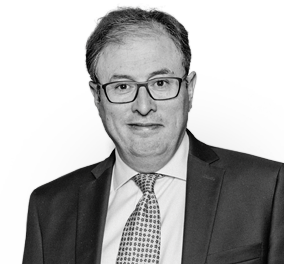
David Josse KC is a Vice-Chair of the Bar Council International Committee and Head of Chambers at 5 St Andrew’s Hill (5SAH). He specialises in extradition, human rights, and international war crimes. David spent five years at the ICTY defending in two lengthy trials. Firstly, representing a leading Bosnian Serb politician charged with genocide and ethnic cleansing and secondly, a General facing a variety of allegations relating to the Srebrenica massacre.
The death of Slobodan Praljak, who at the moment that he learnt that his appeal had been rejected fatally drank a small quantity of poison from a vial whilst saying in Croatian ‘Judges, Slobodan Praljak is not a war criminal, with disdain I reject your verdict’ has left many asking various questions.
Not least among these is how he managed to get hold of the lethal poison?
As someone who was a regular visitor to the United Nations Detention Unit (UNDU) in The Hague where he was held, I can confirm that the security is tight. Indeed, the UNDU is a separate unit within the local Dutch prison and any visitor to the UNDU must pass through both the local Dutch security as well as that provided by the UN. However, it would be naïve to think that it would be difficult to smuggle a small amount of poison into the prison. After all security is tight in UK prisons but they are still full of illegal drugs.
Far more interesting is what prompted Praljak to this desperate act? Firstly, it is worth observing that Praljak was a man of many parts. He rose to the rank of General in the Croatian Armed Forces. Yet he had studied Dramatic Arts and was a well known TV and film director.
His sense of the theatrical permeated the whole of his mammoth and unwieldy trial. He faced an indictment with five other men and the trial itself from the actual opening through to the rendering of judgement took over seven years. The appeal process then took a further four years. In part, this was due to the leeway that the Trial Chamber gave Praljak. Much of the time he was allowed to be his own advocate endlessly cross examining many witness (eg the BBC journalist Jeremy Bowen). At other times he was able to call on either of his two counsel to address the Court and/or deal with witnesses on his behalf. If this wasn’t bad enough, it transpired that Praljak had misled the Tribunal as to his means and somewhat absurdly in 2016 was (rather optimistically) ordered to pay almost 3 million euro in what amounted to legal aid contribution back payments (see the full text here). Despite this the Tribunal allowed him to continue to benefit from the assistance of counsel through the appeal process.
In short, the judges of the International Criminal Tribunal for the former Yugoslavia (ICTY) permitted Praljak to run them a merry dance. Largely through a lack of robustness they had allowed him to make the trial his stage. The rendering of the judgment in his appeal was quite literally the last act in what had long turned into a tragic farce. Had he not killed himself he would have faded into obscurity and be sent to serve the remainder of his sentence in some far-flung part of Europe. Instead, with the benefit of a live internet feed and with a true sense of theatre Praljak was determined to dominate the final scene. He succeeded in the most extraordinary and dramatic fashion.
Contributor David Josse QC is Head of Chambers at 5SAH
David Josse QC discusses Slobodan Praljak’s dramatic death

Chair of the Bar finds common ground on legal services between our two jurisdictions, plus an update on jury trials
A £500 donation from AlphaBiolabs has been made to the leading UK charity tackling international parental child abduction and the movement of children across international borders
Marie Law, Director of Toxicology at AlphaBiolabs, outlines the drug and alcohol testing options available for family law professionals, and how a new, free guide can help identify the most appropriate testing method for each specific case
By Louise Crush of Westgate Wealth Management
Marie Law, Director of Toxicology at AlphaBiolabs, examines the latest ONS data on drug misuse and its implications for toxicology testing in family law cases
An interview with Rob Wagg, CEO of New Park Court Chambers
With at least 31 reports of AI hallucinations in UK legal cases – over 800 worldwide – and judges using AI to assist in judicial decision-making, the risks and benefits are impossible to ignore. Matthew Lee examines how different jurisdictions are responding
What has changed, and why? Paul Secher unpacks the new standards aligning the recruiting, training and appraising of judges – the first major change to the system for ten years
The deprivation of liberty is the most significant power the state can exercise. Drawing on frontline experience, Chris Henley KC explains why replacing trial by jury with judge-only trials risks undermining justice
Ever wondered what a pupillage is like at the CPS? This Q and A provides an insight into the training, experience and next steps
The appointments of 96 new King’s Counsel (also known as silk) are announced today