*/

Grace Ferrier and Antonia Eklund look at the possibilities and benefits of using additional languages in your practice at the Bar
When I became a tenant, I could never have imagined that Portuguese, a language that I had learned in a church during my teenage years and then gone on to study at university, could have influenced my practice so significantly. As soon as I was taken on, I was instructed on two large commercial cases arising out of events taking place in the Lusophone world, principally because I spoke Portuguese. Other instructions have since followed.
The obvious benefit, then, to speaking a foreign language at the Bar is that it results in instructions, and in particular, on matters which one would likely not have otherwise been instructed. There are numerous other benefits: I have travelled extensively to parts of the Lusophone world that I would not have otherwise been; worked closely with foreign lay clients; and had the opportunity to work with a vibrant team of foreign lawyers. Last but not least, I am able to make use of a language which I am especially fond of and which I had previously not had the opportunity to use in my working life.
I have been able to use my language in numerous aspects of my day-to-day work, whether that is legal research into points of foreign law, meetings with foreign law experts, reviewing documentary evidence in a foreign language or reviewing translations of documents. The fact that I am able to conduct all of these tasks in a foreign language saves time and costs. For example, before sending a document for translation, I am able to review it in the original language and determine whether it merits translation at all. This is particularly beneficial in document-heavy cases where the majority of the documents are in a foreign language.
In certain cases, it is impossible to obtain a faithful translation of a particular document without input from a person who understands not only the language, but also the surrounding factual and legal matrix. Given that legal disputes often turn upon the proper interpretation to be given to a particular word or phrase, the input that foreign language speaking counsel is able to give in this context is invaluable.
Foreign language speaking counsel is also useful for researching points of foreign law because an English lawyer is able to conduct legal research in a foreign language from a unique ‘English law’ perspective, with the question as to what may or may not be persuasive to an English judge at the forefront of their mind.
Finally, there is a cultural sensitivity that accompanies knowledge of a foreign language which makes for better working relationships with foreign clients.
In order to develop my Portuguese-speaking practice, I have attended legal conferences in the lusophone world; given talks in Portuguese about legal issues; organised legal events with strong lusophone representation; joined a lusophone legal society; and developed relationships with lusophone lawyers based in London. My foreign language also has pride of place in my Chambers’ profile.
For those looking for opportunities to use their foreign language at the Bar, I would recommend all of those initiatives. My practice is all the richer and more enjoyable for them.
Six useful ways to deploy your language skills at the Bar
By Antonia Eklund
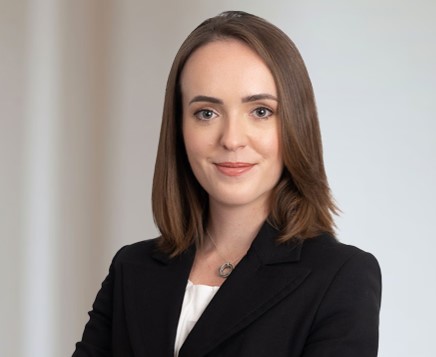
Grace Ferrier is a member of Essex Court Chambers practising in commercial litigation and arbitration. Prior to becoming a barrister, Grace studied History and Portuguese, and thereafter, Jurisprudence, at the University of Oxford.
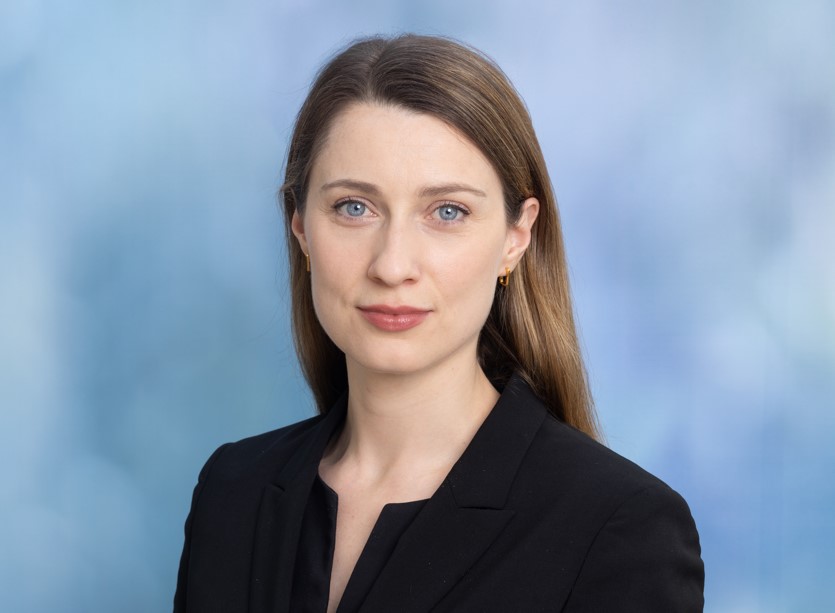
Antonia Eklund is a barrister at Blackstone Chambers, practising primarily across commercial, public, environmental and public international law, group litigation and sanctions. She studied Spanish and Portuguese at the University of Cambridge, and Global Politics at the LSE.
When I became a tenant, I could never have imagined that Portuguese, a language that I had learned in a church during my teenage years and then gone on to study at university, could have influenced my practice so significantly. As soon as I was taken on, I was instructed on two large commercial cases arising out of events taking place in the Lusophone world, principally because I spoke Portuguese. Other instructions have since followed.
The obvious benefit, then, to speaking a foreign language at the Bar is that it results in instructions, and in particular, on matters which one would likely not have otherwise been instructed. There are numerous other benefits: I have travelled extensively to parts of the Lusophone world that I would not have otherwise been; worked closely with foreign lay clients; and had the opportunity to work with a vibrant team of foreign lawyers. Last but not least, I am able to make use of a language which I am especially fond of and which I had previously not had the opportunity to use in my working life.
I have been able to use my language in numerous aspects of my day-to-day work, whether that is legal research into points of foreign law, meetings with foreign law experts, reviewing documentary evidence in a foreign language or reviewing translations of documents. The fact that I am able to conduct all of these tasks in a foreign language saves time and costs. For example, before sending a document for translation, I am able to review it in the original language and determine whether it merits translation at all. This is particularly beneficial in document-heavy cases where the majority of the documents are in a foreign language.
In certain cases, it is impossible to obtain a faithful translation of a particular document without input from a person who understands not only the language, but also the surrounding factual and legal matrix. Given that legal disputes often turn upon the proper interpretation to be given to a particular word or phrase, the input that foreign language speaking counsel is able to give in this context is invaluable.
Foreign language speaking counsel is also useful for researching points of foreign law because an English lawyer is able to conduct legal research in a foreign language from a unique ‘English law’ perspective, with the question as to what may or may not be persuasive to an English judge at the forefront of their mind.
Finally, there is a cultural sensitivity that accompanies knowledge of a foreign language which makes for better working relationships with foreign clients.
In order to develop my Portuguese-speaking practice, I have attended legal conferences in the lusophone world; given talks in Portuguese about legal issues; organised legal events with strong lusophone representation; joined a lusophone legal society; and developed relationships with lusophone lawyers based in London. My foreign language also has pride of place in my Chambers’ profile.
For those looking for opportunities to use their foreign language at the Bar, I would recommend all of those initiatives. My practice is all the richer and more enjoyable for them.
Six useful ways to deploy your language skills at the Bar
By Antonia Eklund
Grace Ferrier and Antonia Eklund look at the possibilities and benefits of using additional languages in your practice at the Bar

Chair of the Bar finds common ground on legal services between our two jurisdictions, plus an update on jury trials
A £500 donation from AlphaBiolabs has been made to the leading UK charity tackling international parental child abduction and the movement of children across international borders
Marie Law, Director of Toxicology at AlphaBiolabs, outlines the drug and alcohol testing options available for family law professionals, and how a new, free guide can help identify the most appropriate testing method for each specific case
By Louise Crush of Westgate Wealth Management
Marie Law, Director of Toxicology at AlphaBiolabs, examines the latest ONS data on drug misuse and its implications for toxicology testing in family law cases
An interview with Rob Wagg, CEO of New Park Court Chambers
With at least 31 reports of AI hallucinations in UK legal cases – over 800 worldwide – and judges using AI to assist in judicial decision-making, the risks and benefits are impossible to ignore. Matthew Lee examines how different jurisdictions are responding
What has changed, and why? Paul Secher unpacks the new standards aligning the recruiting, training and appraising of judges – the first major change to the system for ten years
The deprivation of liberty is the most significant power the state can exercise. Drawing on frontline experience, Chris Henley KC explains why replacing trial by jury with judge-only trials risks undermining justice
Ever wondered what a pupillage is like at the CPS? This Q and A provides an insight into the training, experience and next steps
The appointments of 96 new King’s Counsel (also known as silk) are announced today