*/

Responding to criticism on the narrow profile of government-instructed counsel, Mel Nebhrajani CB describes the system-wide change at GLD to drive fairer distribution of work and broader development of talent
There’s a lot we deliver at the Government Legal Department (GLD). Our job is to help the government govern well within the rule of law by delivering a world-class legal service, and we do so on behalf of every citizen of the United Kingdom. The counsel we instruct, as with our employees, need to reflect the diversity of the citizens we serve.
A commitment to diversity and inclusion underpins all we do, but we know when it comes to our use of external counsel we’re not where we want to be on diversity. What we’ve tried in the past hasn’t done enough to make a difference either, so we’ve launched the Counsel Diversity Project to shift the dial further and faster.
Government has to receive the best possible legal service – every one of us as citizens is relying on government to be well-advised. Doing this best includes making the most of the widest experience and perspective a diverse pool of counsel brings. We recognise that this hasn’t been sufficiently the case to date. Concerns have been raised with us – including in the pages of Counsel magazine* – about the profile of the panels of counsel we use and administer on behalf of the Attorney General, and about fair distribution of work. We recognise those concerns: we have seen in the limited data we’ve historically been able to generate that distribution of our work has been uneven with some counsel on our panels receiving little or no work while others receive a significant proportion. When looked at through the lens of diversity, we’ve seen, for example, that men have fared better than women and white counsel have fared better than those from ethnic minorities.
We’ve listened to these concerns.
We recognise it can be all too easy to default to the same counsel or chambers we are used to using; that there can be comfort in working with those we know and trust because it feels like the safe option.
However, this narrow approach isn’t serving us well. We’re missing out on talented counsel – including those from underrepresented groups – who are unable to gain a foothold and demonstrate their skills.
As an Asian woman, I’ve experienced the impact of a lack of diversity throughout my career. All too often I’ve been the only person of colour, the only woman – sometimes both – in some rooms and I’ve felt it. I am grateful to the allies who spotted and developed my talent and gave me the opportunities to become the senior lawyer and leader I now am. This is why I am so committed to making sure the opportunity to do our work is available more widely at the Bar, so we are able to benefit from the widest talent pool there is.
Diversity matters and makes a difference. This is about more than just appearances. This is about diversity in all its forms. This is about enhancing our perspectives and ways of thinking. This is about ensuring we are resilient because we have a wide range of counsel who know government work and can deliver for us.
This resilience really matters. A narrower pool of counsel who are conversant with our work can leave us vulnerable when work suddenly increases or when those frequently used counsel are unavailable or have conflicts. The use of a wider pool of counsel and more equitable distribution of work among them also contributes to a boost in talent development across the profession.
This is a virtuous circle: better diversity directly translates into better advice and outcomes. We know this to be true because we have shown it over and again for many years within GLD. And because we know this, GLD needs to role model best practice and be profession-leading and influential, including in supporting the Bar Council and others who are doing so much good work in this space.
So, taking centre stage is our Counsel Diversity Project, which aims to further diversity and inclusion by supporting and promoting use of counsel from a diverse range of backgrounds so they reflect the society we serve. We’re examining all relevant issues. It’s comprehensive work but meaningful change often needs action on multiple fronts. This work is an important priority for our Treasury Solicitor, Susanna McGibbon KC (Hon), the Attorney General Lord Hermer KC and Solicitor General Ellie Reeves MP.
Crucial steps have already taken place: we increased our outreach in the lead up to both the Regional 2024 and London 2025 panel competitions. And we have now fully reviewed our recruitment process – including looking at the barriers to underrepresented groups applying to join the panels and succeeding in their applications. This includes changes around the application requirements, references, improved mentoring and support for applicants and improved outreach. As part of this review, we actively engaged with a wide range of stakeholders – including the Bar Council, specialist Bar associations, Circuits and professional networks – to support this path to improvement.
Internally, guidance on how counsel is selected for work has been revised, emphasising the importance of equality of opportunity and including a push on ensuring the work is spread widely, and explicit encouragement to seek out counsel not worked with before. We’ve worked intensively to raise awareness of the revised guidance across all our legal teams and the wider government legal profession with active and engaged champions working locally to ensure everyone is aware and applying the revised approach. We’ve also ensured that the private sector law firms that we partner with follow the same approach.
We’re holding ourselves to account too, having developed an internal monitoring system to track how counsel is used and we can understand the patterns of who is being instructed. Through changes to our case management system and a new recording tool for teams for who don’t use that system, we are transforming our capability to monitor our use of counsel. The data relating to panel usage can be broken down by diversity characteristics, enabling us to measure how well we’re meeting objectives and easily identify where further action might be needed. We will further develop and enhance this capability as we design and implement our future legal practice management system.
Shifting the dial is not simple and at the crux of it is a need for a cultural shift, which doesn’t happen overnight. We have to be intentional to push against the familiar – challenging instincts and habit – so we build new relationships rather than defaulting only to those already established. This needs us to instil stronger trust in the capability of all our panel members, who have succeeded in making it onto the panels via a highly competitive and demanding recruitment process. We’re bringing our government clients with us on this journey too (as they can have a significant say in which counsel is instructed) and are grateful for the advice the Bar Council and others have been able to give us.
This is work in progress. But we’re confident the dial will shift further and faster.

GLD Counsel Diversity Project
Crucial steps have already taken place: outreach increased in the lead up to panel competitions; recruitment process fully reviewed; guidance on counsel selection revised; internal monitoring system developed to track how counsel is used.
*Counsel magazine is delighted that HHJ Emma Nott will be appointed Honorary King’s Counsel in March 2026 for her efforts to drive fairness and equality at the Bar. Her evidence-based research, published over five years in Counsel, prompted internal reviews within the CPS and GLD, reforms to data collection and monitoring, and has been widely cited by professional bodies and the Justice Select Committee. See Emma’s long-running series, ‘Gender at the Bar and fair access to work’.
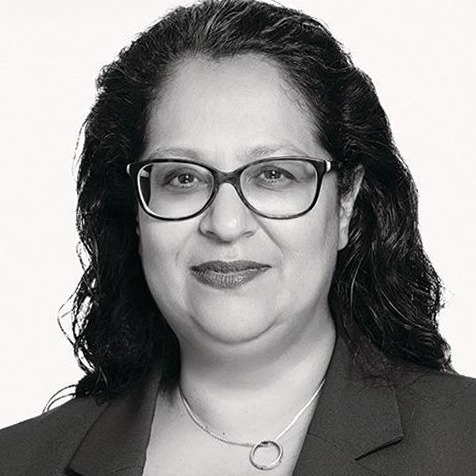
Mel Nebhrajani CB is the Government Legal Department’s Director General for Litigation in the Justice and Security Group, having joined the Civil Service in 1998 and advising several departments before her appointment in 2021.
There’s a lot we deliver at the Government Legal Department (GLD). Our job is to help the government govern well within the rule of law by delivering a world-class legal service, and we do so on behalf of every citizen of the United Kingdom. The counsel we instruct, as with our employees, need to reflect the diversity of the citizens we serve.
A commitment to diversity and inclusion underpins all we do, but we know when it comes to our use of external counsel we’re not where we want to be on diversity. What we’ve tried in the past hasn’t done enough to make a difference either, so we’ve launched the Counsel Diversity Project to shift the dial further and faster.
Government has to receive the best possible legal service – every one of us as citizens is relying on government to be well-advised. Doing this best includes making the most of the widest experience and perspective a diverse pool of counsel brings. We recognise that this hasn’t been sufficiently the case to date. Concerns have been raised with us – including in the pages of Counsel magazine* – about the profile of the panels of counsel we use and administer on behalf of the Attorney General, and about fair distribution of work. We recognise those concerns: we have seen in the limited data we’ve historically been able to generate that distribution of our work has been uneven with some counsel on our panels receiving little or no work while others receive a significant proportion. When looked at through the lens of diversity, we’ve seen, for example, that men have fared better than women and white counsel have fared better than those from ethnic minorities.
We’ve listened to these concerns.
We recognise it can be all too easy to default to the same counsel or chambers we are used to using; that there can be comfort in working with those we know and trust because it feels like the safe option.
However, this narrow approach isn’t serving us well. We’re missing out on talented counsel – including those from underrepresented groups – who are unable to gain a foothold and demonstrate their skills.
As an Asian woman, I’ve experienced the impact of a lack of diversity throughout my career. All too often I’ve been the only person of colour, the only woman – sometimes both – in some rooms and I’ve felt it. I am grateful to the allies who spotted and developed my talent and gave me the opportunities to become the senior lawyer and leader I now am. This is why I am so committed to making sure the opportunity to do our work is available more widely at the Bar, so we are able to benefit from the widest talent pool there is.
Diversity matters and makes a difference. This is about more than just appearances. This is about diversity in all its forms. This is about enhancing our perspectives and ways of thinking. This is about ensuring we are resilient because we have a wide range of counsel who know government work and can deliver for us.
This resilience really matters. A narrower pool of counsel who are conversant with our work can leave us vulnerable when work suddenly increases or when those frequently used counsel are unavailable or have conflicts. The use of a wider pool of counsel and more equitable distribution of work among them also contributes to a boost in talent development across the profession.
This is a virtuous circle: better diversity directly translates into better advice and outcomes. We know this to be true because we have shown it over and again for many years within GLD. And because we know this, GLD needs to role model best practice and be profession-leading and influential, including in supporting the Bar Council and others who are doing so much good work in this space.
So, taking centre stage is our Counsel Diversity Project, which aims to further diversity and inclusion by supporting and promoting use of counsel from a diverse range of backgrounds so they reflect the society we serve. We’re examining all relevant issues. It’s comprehensive work but meaningful change often needs action on multiple fronts. This work is an important priority for our Treasury Solicitor, Susanna McGibbon KC (Hon), the Attorney General Lord Hermer KC and Solicitor General Ellie Reeves MP.
Crucial steps have already taken place: we increased our outreach in the lead up to both the Regional 2024 and London 2025 panel competitions. And we have now fully reviewed our recruitment process – including looking at the barriers to underrepresented groups applying to join the panels and succeeding in their applications. This includes changes around the application requirements, references, improved mentoring and support for applicants and improved outreach. As part of this review, we actively engaged with a wide range of stakeholders – including the Bar Council, specialist Bar associations, Circuits and professional networks – to support this path to improvement.
Internally, guidance on how counsel is selected for work has been revised, emphasising the importance of equality of opportunity and including a push on ensuring the work is spread widely, and explicit encouragement to seek out counsel not worked with before. We’ve worked intensively to raise awareness of the revised guidance across all our legal teams and the wider government legal profession with active and engaged champions working locally to ensure everyone is aware and applying the revised approach. We’ve also ensured that the private sector law firms that we partner with follow the same approach.
We’re holding ourselves to account too, having developed an internal monitoring system to track how counsel is used and we can understand the patterns of who is being instructed. Through changes to our case management system and a new recording tool for teams for who don’t use that system, we are transforming our capability to monitor our use of counsel. The data relating to panel usage can be broken down by diversity characteristics, enabling us to measure how well we’re meeting objectives and easily identify where further action might be needed. We will further develop and enhance this capability as we design and implement our future legal practice management system.
Shifting the dial is not simple and at the crux of it is a need for a cultural shift, which doesn’t happen overnight. We have to be intentional to push against the familiar – challenging instincts and habit – so we build new relationships rather than defaulting only to those already established. This needs us to instil stronger trust in the capability of all our panel members, who have succeeded in making it onto the panels via a highly competitive and demanding recruitment process. We’re bringing our government clients with us on this journey too (as they can have a significant say in which counsel is instructed) and are grateful for the advice the Bar Council and others have been able to give us.
This is work in progress. But we’re confident the dial will shift further and faster.
GLD Counsel Diversity Project
Crucial steps have already taken place: outreach increased in the lead up to panel competitions; recruitment process fully reviewed; guidance on counsel selection revised; internal monitoring system developed to track how counsel is used.
*Counsel magazine is delighted that HHJ Emma Nott will be appointed Honorary King’s Counsel in March 2026 for her efforts to drive fairness and equality at the Bar. Her evidence-based research, published over five years in Counsel, prompted internal reviews within the CPS and GLD, reforms to data collection and monitoring, and has been widely cited by professional bodies and the Justice Select Committee. See Emma’s long-running series, ‘Gender at the Bar and fair access to work’.
Responding to criticism on the narrow profile of government-instructed counsel, Mel Nebhrajani CB describes the system-wide change at GLD to drive fairer distribution of work and broader development of talent

Chair of the Bar finds common ground on legal services between our two jurisdictions, plus an update on jury trials
A £500 donation from AlphaBiolabs has been made to the leading UK charity tackling international parental child abduction and the movement of children across international borders
Marie Law, Director of Toxicology at AlphaBiolabs, outlines the drug and alcohol testing options available for family law professionals, and how a new, free guide can help identify the most appropriate testing method for each specific case
By Louise Crush of Westgate Wealth Management
Marie Law, Director of Toxicology at AlphaBiolabs, examines the latest ONS data on drug misuse and its implications for toxicology testing in family law cases
An interview with Rob Wagg, CEO of New Park Court Chambers
The deprivation of liberty is the most significant power the state can exercise. Drawing on frontline experience, Chris Henley KC explains why replacing trial by jury with judge-only trials risks undermining justice
Ever wondered what a pupillage is like at the CPS? This Q and A provides an insight into the training, experience and next steps
The appointments of 96 new King’s Counsel (also known as silk) are announced today
Resolution of the criminal justice crisis does not lie in reheating old ideas that have been roundly rejected before, say Ed Vickers KC, Faras Baloch and Katie Bacon
With pupillage application season under way, Laura Wright reflects on her route to ‘tech barrister’ and offers advice for those aiming at a career at the Bar