*/

The main representative and regulatory bodies all value and support employed Bar pupillages. The Bar Council cites ‘the strong business case for offering employed Bar pupillages’ which ‘can be of huge benefit to pupils too’. The Bar Standards Board (BSB) ‘agrees that the employed Bar has a vital role to play in supporting pupillage’ and is ‘delighted by the opportunities that already exist’. BACFI is clear that ‘the employed Bar offers first class pupillages.’
A look at the figures would suggest that there is scope for increasing the number of organisations offering employed Bar pupillages. Compared with the 13,000+ figure for barristers practising in around 350 chambers there are over 3,000 barristers practising in employment, whereas the ratio of pupillages between the two sectors is roughly 10:1. Many senior employed barristers work in large legal departments where there is scope to recruit, train and absorb pupils, so why don’t more of them offer pupillage?
Despite the pandemic, 2021 was a representative year for pupillage numbers at the employed Bar: 52 were offered by 19 BSB approved employers (AETOs), according to BSB figures.
One third of the pupillages at the employed Bar were offered by the CPS; the others were in central government, several law firms, an investment banking company and a healthcare regulator. Employers shared common features:
Many employed Bar pupillage providers are able to offer excellent advocacy experience for their pupils; others have to work hard to get it, including arranging secondments to friendly chambers. But they have the edge over chambers when it comes to the quality of the advisory work that their pupils get to do. One of my former pupils told me that after she left government for chambers it took her four years to get written work of the same quality and difficulty as she was getting in government; and there was also the opportunity to build sustainable relations with internal clients and the skill to influence outcomes that she learned in government and took with her into her chambers practice.
Reasons might include the cost of the ‘unproductive’ pupillage year – but as Peter Boyce, Head of Pupillage at the Nursing and Midwifery Council, says, ‘We are a charity funded by our registrants; if an organisation like us can do it, anybody of any size can.’ There may also be an organisation’s preference for recruiting lawyers with more PQE under their belts; the fact that, far from dominating the employed legal sector, employed barristers would only appear to account for one sixth of it, a fraction which becomes even smaller when the barristers in the CPS and government are left out of account – but, as these case studies show, solicitors can be proud to play the training principal role; and the difficulty, actual and perceived, of navigating one’s way through the regulations governing AETOs and organisations wanting to absorb barristers after pupillage. At the heart of the issue is the recruitment policy of commercial entities and how far they see advantage in a policy that includes growing their own. As Sharon Blackman puts it: ‘At a time when people are desperately looking for talent, better appreciating the value of diversity, this is a perfect time to consider taking pupils.’
On any view it cannot be right that, leaving law firms aside, only one commercial organisation – Sharon’s Citi – offered a pupillage in 2021.
There is growing measure of agreement about the way forward.
The BSB says it is ‘certainly keen to encourage more employed Bar pupillages. We are currently producing a guide to pupillage at the employed Bar and planning [with BACFI] a jointly hosted information event in the autumn.’
BACFI agrees: ‘We have been a consistent advocate for increasing the availability of employed pupillages and reducing impediments to providing them. Our initiatives include encouraging provision by our members and strengthening potential partnerships with Chambers for advocacy elements of the training with a view to providing potential pupils with a range of opportunities to gain as broad an experience as possible at such a pivotal point in their career journey.’
The Bar Council says: ‘We are always keen to support new employed Bar organisations offering high-quality pupillages for the first time. The AETO application process has posed a challenge to both chambers and employed Bar organisations, and the Bar Council is keen to see it simplified so that no potential AETO is put off by excessive paperwork. We are happy to provide guidance to employed Bar organisations who are considering taking the plunge.’ They would like to see more organisations coming to the annual pupillage fair.
The large law firm DAC Beachcroft is the most recent high-profile organisation that has attained AETO status and announced that it will advertise this summer for one or two pupillages. Jonathan Robinshaw and Sahar Farooqi lead the advocacy team there. Their focus is on attracting the best possible people. They cite the benefit to their clients in terms of growing pupils who understand their thinking and also the growth in skills gained by firm’s supervisors.
The accompanying case studies show what’s possible…


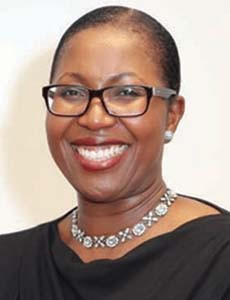






Anthony Inglese CB was head of legal in five Government Legal Departments over a 38-year career, most recently as General Counsel and Solicitor to HM Revenue & Customs. A Bencher of Gray’s Inn, he now trains and mentors lawyers.
The main representative and regulatory bodies all value and support employed Bar pupillages. The Bar Council cites ‘the strong business case for offering employed Bar pupillages’ which ‘can be of huge benefit to pupils too’. The Bar Standards Board (BSB) ‘agrees that the employed Bar has a vital role to play in supporting pupillage’ and is ‘delighted by the opportunities that already exist’. BACFI is clear that ‘the employed Bar offers first class pupillages.’
A look at the figures would suggest that there is scope for increasing the number of organisations offering employed Bar pupillages. Compared with the 13,000+ figure for barristers practising in around 350 chambers there are over 3,000 barristers practising in employment, whereas the ratio of pupillages between the two sectors is roughly 10:1. Many senior employed barristers work in large legal departments where there is scope to recruit, train and absorb pupils, so why don’t more of them offer pupillage?
Despite the pandemic, 2021 was a representative year for pupillage numbers at the employed Bar: 52 were offered by 19 BSB approved employers (AETOs), according to BSB figures.
One third of the pupillages at the employed Bar were offered by the CPS; the others were in central government, several law firms, an investment banking company and a healthcare regulator. Employers shared common features:
Many employed Bar pupillage providers are able to offer excellent advocacy experience for their pupils; others have to work hard to get it, including arranging secondments to friendly chambers. But they have the edge over chambers when it comes to the quality of the advisory work that their pupils get to do. One of my former pupils told me that after she left government for chambers it took her four years to get written work of the same quality and difficulty as she was getting in government; and there was also the opportunity to build sustainable relations with internal clients and the skill to influence outcomes that she learned in government and took with her into her chambers practice.
Reasons might include the cost of the ‘unproductive’ pupillage year – but as Peter Boyce, Head of Pupillage at the Nursing and Midwifery Council, says, ‘We are a charity funded by our registrants; if an organisation like us can do it, anybody of any size can.’ There may also be an organisation’s preference for recruiting lawyers with more PQE under their belts; the fact that, far from dominating the employed legal sector, employed barristers would only appear to account for one sixth of it, a fraction which becomes even smaller when the barristers in the CPS and government are left out of account – but, as these case studies show, solicitors can be proud to play the training principal role; and the difficulty, actual and perceived, of navigating one’s way through the regulations governing AETOs and organisations wanting to absorb barristers after pupillage. At the heart of the issue is the recruitment policy of commercial entities and how far they see advantage in a policy that includes growing their own. As Sharon Blackman puts it: ‘At a time when people are desperately looking for talent, better appreciating the value of diversity, this is a perfect time to consider taking pupils.’
On any view it cannot be right that, leaving law firms aside, only one commercial organisation – Sharon’s Citi – offered a pupillage in 2021.
There is growing measure of agreement about the way forward.
The BSB says it is ‘certainly keen to encourage more employed Bar pupillages. We are currently producing a guide to pupillage at the employed Bar and planning [with BACFI] a jointly hosted information event in the autumn.’
BACFI agrees: ‘We have been a consistent advocate for increasing the availability of employed pupillages and reducing impediments to providing them. Our initiatives include encouraging provision by our members and strengthening potential partnerships with Chambers for advocacy elements of the training with a view to providing potential pupils with a range of opportunities to gain as broad an experience as possible at such a pivotal point in their career journey.’
The Bar Council says: ‘We are always keen to support new employed Bar organisations offering high-quality pupillages for the first time. The AETO application process has posed a challenge to both chambers and employed Bar organisations, and the Bar Council is keen to see it simplified so that no potential AETO is put off by excessive paperwork. We are happy to provide guidance to employed Bar organisations who are considering taking the plunge.’ They would like to see more organisations coming to the annual pupillage fair.
The large law firm DAC Beachcroft is the most recent high-profile organisation that has attained AETO status and announced that it will advertise this summer for one or two pupillages. Jonathan Robinshaw and Sahar Farooqi lead the advocacy team there. Their focus is on attracting the best possible people. They cite the benefit to their clients in terms of growing pupils who understand their thinking and also the growth in skills gained by firm’s supervisors.
The accompanying case studies show what’s possible…


Chair of the Bar finds common ground on legal services between our two jurisdictions, plus an update on jury trials
A £500 donation from AlphaBiolabs has been made to the leading UK charity tackling international parental child abduction and the movement of children across international borders
Marie Law, Director of Toxicology at AlphaBiolabs, outlines the drug and alcohol testing options available for family law professionals, and how a new, free guide can help identify the most appropriate testing method for each specific case
By Louise Crush of Westgate Wealth Management
Marie Law, Director of Toxicology at AlphaBiolabs, examines the latest ONS data on drug misuse and its implications for toxicology testing in family law cases
An interview with Rob Wagg, CEO of New Park Court Chambers
With at least 31 reports of AI hallucinations in UK legal cases – over 800 worldwide – and judges using AI to assist in judicial decision-making, the risks and benefits are impossible to ignore. Matthew Lee examines how different jurisdictions are responding
What has changed, and why? Paul Secher unpacks the new standards aligning the recruiting, training and appraising of judges – the first major change to the system for ten years
The deprivation of liberty is the most significant power the state can exercise. Drawing on frontline experience, Chris Henley KC explains why replacing trial by jury with judge-only trials risks undermining justice
Ever wondered what a pupillage is like at the CPS? This Q and A provides an insight into the training, experience and next steps
The appointments of 96 new King’s Counsel (also known as silk) are announced today