*/
Drug and alcohol misuse remains a frequent factor in family law proceedings, directly impacting assessments of parenting capacity, safeguarding, and contact arrangements.
Standard drug testing panels are designed to detect the most commonly misused substances – such as opiates, cocaine and cannabis. However, an increasing number of family law cases involve non-standard drugs: substances not routinely included in standard panels, yet capable of causing dependency, behavioural instability, and impaired parenting.
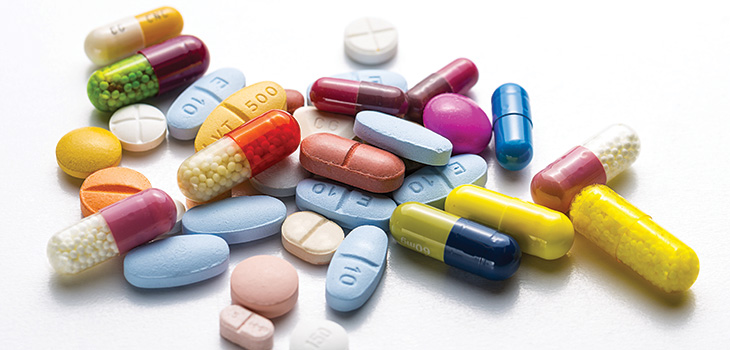
Non-standard drugs include anything not typically found on a standard testing panel, and include substances such as anabolic steroids, prescription medications (e.g. pregabalin, gabapentin, oxycodone) and hallucinogens (e.g. LSD, PCP, mescaline).
These substances may be incorrectly perceived by users as undetectable or ‘safe’ and are often obtained via online pharmacies or illicit markets. However, their misuse can result in detrimental psychological, behavioural and cognitive effects, with serious implications for child welfare and court assessments.
Steroid misuse is rarely addressed in family law contexts, yet its impact can be significant. These drugs are increasingly used by individuals – often men – seeking enhanced physical appearance or performance.
Chronic or high-dose use is associated with aggression, mood instability, and impaired judgement.
Where there are concerns about erratic or aggressive behaviour, especially in contact disputes, targeted testing for steroids should be considered.
Misuse of prescription medication has risen sharply, with many drugs used recreationally for their sedative, euphoric or pain-relieving effects, often in combination with other substances. Examples include:
As these drugs are not included in standard panels, misuse may go undetected without specific instruction. Even individuals with valid prescriptions may be at risk of dependency, potentially affecting their ability to care for children safely.
Hallucinogens such as LSD, PCP and mescaline are gaining popularity, particularly among individuals engaged in polysubstance misuse (using multiple drugs together). These substances can induce paranoia, hallucinations, and dissociation, significantly impairing emotional regulation and risk perception. Effects can also persist long after use, raising serious safeguarding concerns. Although less commonly abused than mainstream substances, targeted testing is essential where hallucinogen use is suspected or unexplained behavioural issues are present.
AlphaBiolabs continually monitors emerging trends in drug misuse and validates new substances in the laboratory, providing legal professionals with bespoke testing options. Our standard drug panel includes the top nine court-ordered drugs: methamphetamine, opiates, cocaine, cannabis, amphetamine, benzodiazepines, ketamine, methadone and tramadol. Where additional substances are suspected, our non-standard panel can be tailored to include prescription medications (e.g. antidepressants, gabapentinoids), hallucinogens, anabolic steroids and many, many more.
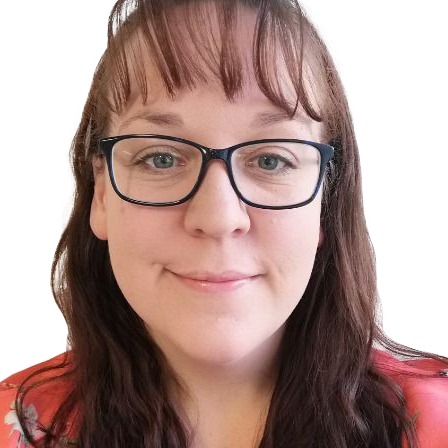
Marie Law is Director of Toxicology at AlphaBiolabs. A highly-skilled and respected scientist with over 15 years’ experience in the field of forensics, Marie joined AlphaBiolabs in 2022 and oversees the company’s growing toxicology team. As Director of Toxicology, Marie’s day-to-day responsibilities include maintaining the highest quality testing standards for toxicology and further enhancing AlphaBiolabs’ drug and alcohol testing services for the legal sector, members of the public, and the workplace sector.
Drug and alcohol misuse remains a frequent factor in family law proceedings, directly impacting assessments of parenting capacity, safeguarding, and contact arrangements.
Standard drug testing panels are designed to detect the most commonly misused substances – such as opiates, cocaine and cannabis. However, an increasing number of family law cases involve non-standard drugs: substances not routinely included in standard panels, yet capable of causing dependency, behavioural instability, and impaired parenting.
Non-standard drugs include anything not typically found on a standard testing panel, and include substances such as anabolic steroids, prescription medications (e.g. pregabalin, gabapentin, oxycodone) and hallucinogens (e.g. LSD, PCP, mescaline).
These substances may be incorrectly perceived by users as undetectable or ‘safe’ and are often obtained via online pharmacies or illicit markets. However, their misuse can result in detrimental psychological, behavioural and cognitive effects, with serious implications for child welfare and court assessments.
Steroid misuse is rarely addressed in family law contexts, yet its impact can be significant. These drugs are increasingly used by individuals – often men – seeking enhanced physical appearance or performance.
Chronic or high-dose use is associated with aggression, mood instability, and impaired judgement.
Where there are concerns about erratic or aggressive behaviour, especially in contact disputes, targeted testing for steroids should be considered.
Misuse of prescription medication has risen sharply, with many drugs used recreationally for their sedative, euphoric or pain-relieving effects, often in combination with other substances. Examples include:
As these drugs are not included in standard panels, misuse may go undetected without specific instruction. Even individuals with valid prescriptions may be at risk of dependency, potentially affecting their ability to care for children safely.
Hallucinogens such as LSD, PCP and mescaline are gaining popularity, particularly among individuals engaged in polysubstance misuse (using multiple drugs together). These substances can induce paranoia, hallucinations, and dissociation, significantly impairing emotional regulation and risk perception. Effects can also persist long after use, raising serious safeguarding concerns. Although less commonly abused than mainstream substances, targeted testing is essential where hallucinogen use is suspected or unexplained behavioural issues are present.
AlphaBiolabs continually monitors emerging trends in drug misuse and validates new substances in the laboratory, providing legal professionals with bespoke testing options. Our standard drug panel includes the top nine court-ordered drugs: methamphetamine, opiates, cocaine, cannabis, amphetamine, benzodiazepines, ketamine, methadone and tramadol. Where additional substances are suspected, our non-standard panel can be tailored to include prescription medications (e.g. antidepressants, gabapentinoids), hallucinogens, anabolic steroids and many, many more.

Chair of the Bar finds common ground on legal services between our two jurisdictions, plus an update on jury trials
A £500 donation from AlphaBiolabs has been made to the leading UK charity tackling international parental child abduction and the movement of children across international borders
Marie Law, Director of Toxicology at AlphaBiolabs, outlines the drug and alcohol testing options available for family law professionals, and how a new, free guide can help identify the most appropriate testing method for each specific case
By Louise Crush of Westgate Wealth Management
Marie Law, Director of Toxicology at AlphaBiolabs, examines the latest ONS data on drug misuse and its implications for toxicology testing in family law cases
An interview with Rob Wagg, CEO of New Park Court Chambers
With at least 31 reports of AI hallucinations in UK legal cases – over 800 worldwide – and judges using AI to assist in judicial decision-making, the risks and benefits are impossible to ignore. Matthew Lee examines how different jurisdictions are responding
What has changed, and why? Paul Secher unpacks the new standards aligning the recruiting, training and appraising of judges – the first major change to the system for ten years
The deprivation of liberty is the most significant power the state can exercise. Drawing on frontline experience, Chris Henley KC explains why replacing trial by jury with judge-only trials risks undermining justice
Ever wondered what a pupillage is like at the CPS? This Q and A provides an insight into the training, experience and next steps
The appointments of 96 new King’s Counsel (also known as silk) are announced today