*/
The Bar’s wellbeing portal is launched; lobbying priorities for the autumn season; and countering threats to independence
Autumn is always a busy time of year for the Bar Council. On the domestic front, it involves attending the Labour and Conservative Party conferences, as well as our own Annual Bar Conference.
Looking outward, it is a time when we host jointly with the Law Society over 60 foreign Bars for the Opening of the Legal Year, as well as attending the International Bar Association conference. The latter was in Washington, DC this year; over 75 barristers attended.
All these occasions, in one way or another, involve promoting the interest of the Bar of England and Wales. For example, we work hard to ensure that the Bar and the UK continue to be the destination of choice for international work, and in the context of Europe, that the UK is presented as outward-looking and open for business on the international stage. Closer to home, we continue to lobby for reform in the context of enhanced court fees and to promote a new deal for the criminal Bar in the context of the Advocates Graduated Fee Scheme for defence advocates in the crown courts.
Negotiating strength as one Bar
In the same way that as advocates we have obligations both to the court and to our client, so too the Bar Council, in its outward-facing role, combines the roles of acting in the public interest and of representing the Bar’s interests. This is perhaps most evident in the 50 or more consultations we have responded to over the last 12 months. We are unique in representing the whole Bar and we are stronger together. Good examples of our strength, I believe, include the work we have done in negotiating with the Government on criminal legal aid, in responding to the proposed court reforms in civil, family and crime, and in responding to the recent HMRC consultation on tax avoidance. In each case work we closely with the relevant specialist Bar associations and Circuits, and our voice is stronger, because we represent one Bar, not just part of the profession directly affected.
Wellbeing portal launch
The 2016 Bar Council conference was packed with content and excellent speakers. Many of you attended and made it a real success. One of the highlights was the launch of the Bar’s Wellbeing Portal (see also here). Funding came from the Bar Council, the Inns and the Institute of Barristers’ Clerks. The portal is aimed at barristers as well as all those who work with them. It is full of useful information and includes inspiring stories from individuals who have suffered from wellbeing problems, as well as practical information for individuals who are struggling, and for those around them.
Being a barrister is challenging, rewarding, exciting and great fun. But it is hard and demanding. I have met many barristers this year whose practice demonstrates the demanding nature of the job: the female barrister in her 30s from the north of England with a diet of sex cases over the recent years, who has had to digest the horrors of these cases; the young male London barrister struggling with loneliness; the female barrister juggling family life, travelling to far-flung courts, and leadership responsibilities, all while earning much less on legal aid than many would consider reasonable; the head of chambers concerned that he had failed to see in advance the immense pressures a colleague was under; or the senior male barrister not coping with the demands of a very busy practice.
Each one of us will need support at some stage in our career. Working with the four Inns, the specialist Bar associations, and the Circuits, the Bar Council has been able to bring together a wide range of resources to help the Bar and those who support the Bar. We hope that these resources will make it easier for people to withstand the pressures of professional life. I believe this project demonstrates what, by working together, the Bar can achieve and I encourage all of you to look at this portal.
Independence of the Bar: the right of every citizen
The 2016 Bar Conference was closed by the President of the Malaysian Bar Association, Steven Thiruneelakandan. Speaking of the unprecedented threats to the independence of his profession, he thanked the Bar Council for standing in solidarity with the Malaysian Bar. In a moving closing speech he referred to the independence of the Bar as ‘the right of every citizen’ which is ‘fundamental to the independence of the judiciary’, and ‘vital to the economic progress and development of a nation’. Our challenge and role is to remind society, and politicians, that this is – and remains – the case.
Contributor Chantal-Aimée Doerries QC, Chairman of the Bar
WORKING ON YOUR BEHALF
Here’s a glimpse of just some of the Bar Council’s work recently:
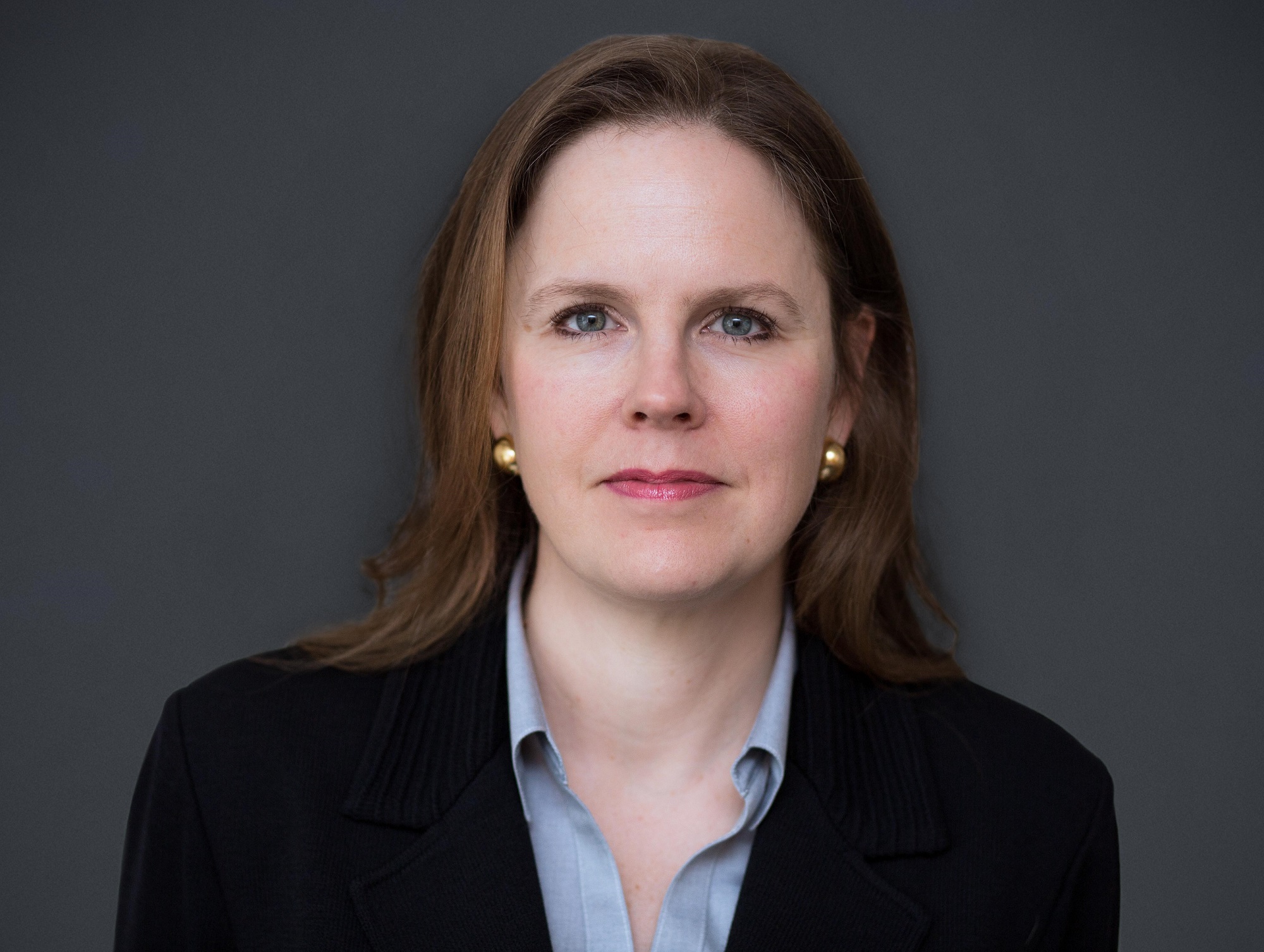
Chantal-Aimée Doerries KC is the Head of Atkin Chambers and was 2016 Chair of the Bar of England and Wales.
Autumn is always a busy time of year for the Bar Council. On the domestic front, it involves attending the Labour and Conservative Party conferences, as well as our own Annual Bar Conference.
Looking outward, it is a time when we host jointly with the Law Society over 60 foreign Bars for the Opening of the Legal Year, as well as attending the International Bar Association conference. The latter was in Washington, DC this year; over 75 barristers attended.
All these occasions, in one way or another, involve promoting the interest of the Bar of England and Wales. For example, we work hard to ensure that the Bar and the UK continue to be the destination of choice for international work, and in the context of Europe, that the UK is presented as outward-looking and open for business on the international stage. Closer to home, we continue to lobby for reform in the context of enhanced court fees and to promote a new deal for the criminal Bar in the context of the Advocates Graduated Fee Scheme for defence advocates in the crown courts.
Negotiating strength as one Bar
In the same way that as advocates we have obligations both to the court and to our client, so too the Bar Council, in its outward-facing role, combines the roles of acting in the public interest and of representing the Bar’s interests. This is perhaps most evident in the 50 or more consultations we have responded to over the last 12 months. We are unique in representing the whole Bar and we are stronger together. Good examples of our strength, I believe, include the work we have done in negotiating with the Government on criminal legal aid, in responding to the proposed court reforms in civil, family and crime, and in responding to the recent HMRC consultation on tax avoidance. In each case work we closely with the relevant specialist Bar associations and Circuits, and our voice is stronger, because we represent one Bar, not just part of the profession directly affected.
Wellbeing portal launch
The 2016 Bar Council conference was packed with content and excellent speakers. Many of you attended and made it a real success. One of the highlights was the launch of the Bar’s Wellbeing Portal (see also here). Funding came from the Bar Council, the Inns and the Institute of Barristers’ Clerks. The portal is aimed at barristers as well as all those who work with them. It is full of useful information and includes inspiring stories from individuals who have suffered from wellbeing problems, as well as practical information for individuals who are struggling, and for those around them.
Being a barrister is challenging, rewarding, exciting and great fun. But it is hard and demanding. I have met many barristers this year whose practice demonstrates the demanding nature of the job: the female barrister in her 30s from the north of England with a diet of sex cases over the recent years, who has had to digest the horrors of these cases; the young male London barrister struggling with loneliness; the female barrister juggling family life, travelling to far-flung courts, and leadership responsibilities, all while earning much less on legal aid than many would consider reasonable; the head of chambers concerned that he had failed to see in advance the immense pressures a colleague was under; or the senior male barrister not coping with the demands of a very busy practice.
Each one of us will need support at some stage in our career. Working with the four Inns, the specialist Bar associations, and the Circuits, the Bar Council has been able to bring together a wide range of resources to help the Bar and those who support the Bar. We hope that these resources will make it easier for people to withstand the pressures of professional life. I believe this project demonstrates what, by working together, the Bar can achieve and I encourage all of you to look at this portal.
Independence of the Bar: the right of every citizen
The 2016 Bar Conference was closed by the President of the Malaysian Bar Association, Steven Thiruneelakandan. Speaking of the unprecedented threats to the independence of his profession, he thanked the Bar Council for standing in solidarity with the Malaysian Bar. In a moving closing speech he referred to the independence of the Bar as ‘the right of every citizen’ which is ‘fundamental to the independence of the judiciary’, and ‘vital to the economic progress and development of a nation’. Our challenge and role is to remind society, and politicians, that this is – and remains – the case.
Contributor Chantal-Aimée Doerries QC, Chairman of the Bar
WORKING ON YOUR BEHALF
Here’s a glimpse of just some of the Bar Council’s work recently:
The Bar’s wellbeing portal is launched; lobbying priorities for the autumn season; and countering threats to independence

Chair of the Bar finds common ground on legal services between our two jurisdictions, plus an update on jury trials
A £500 donation from AlphaBiolabs has been made to the leading UK charity tackling international parental child abduction and the movement of children across international borders
Marie Law, Director of Toxicology at AlphaBiolabs, outlines the drug and alcohol testing options available for family law professionals, and how a new, free guide can help identify the most appropriate testing method for each specific case
By Louise Crush of Westgate Wealth Management
Marie Law, Director of Toxicology at AlphaBiolabs, examines the latest ONS data on drug misuse and its implications for toxicology testing in family law cases
An interview with Rob Wagg, CEO of New Park Court Chambers
With at least 31 reports of AI hallucinations in UK legal cases – over 800 worldwide – and judges using AI to assist in judicial decision-making, the risks and benefits are impossible to ignore. Matthew Lee examines how different jurisdictions are responding
What has changed, and why? Paul Secher unpacks the new standards aligning the recruiting, training and appraising of judges – the first major change to the system for ten years
The deprivation of liberty is the most significant power the state can exercise. Drawing on frontline experience, Chris Henley KC explains why replacing trial by jury with judge-only trials risks undermining justice
Ever wondered what a pupillage is like at the CPS? This Q and A provides an insight into the training, experience and next steps
The appointments of 96 new King’s Counsel (also known as silk) are announced today