*/

ICAW (Inns of Court Alliance for Women) was set up in early 2022 by the four Inns to support women barristers in the development of their careers. It builds on the work of the Temple Women’s Forum and provides events, practical help and an online resource library.
Female barristers earn on average just over half (52%) of what male barristers take home.* Despite entering the profession at a similar rate to men, women’s progress is much less certain. Add in race or other intersectionalities, and the picture is even worse.
At Foundations for a Fairer Future – an ICAW event at Middle Temple last year – Mrs Justice McGowan, Treasurer of Middle Temple and former Chair of the Bar said now was the time to ‘move beyond the stage of kind words and good intentions’ to ‘achieving some practical movement’ for real progress to happen.
The event focused on developing the careers of female barristers through fairer work distribution and reducing the gender income gap.
Speakers were drawn from different professional backgrounds and experience yet several common themes emerged. The panel ranged from barristers in chambers, those instructing barristers from government/private sectors, to those managing barristers’ practices in chambers, and the equality and diversity consultant at the Bar Council.
In addition to equality of opportunity being ‘the right thing to do’, all agreed with David Stone of Allen & Overy on the business benefits of diversity:
The panel discussion was a rich seam to mine for guidance, feasible steps and practical tools (we summarise these below) and will serve as a benchmark for the development of diversity at the Bar and the effectiveness of measures to bring about change.
All speakers advocated data collection and analysis. Data provides the evidence of what is happening rather than relying on anecdote and good intentions. Data can identify outliers and anomalies and develop comparative groups, the latter being particularly beneficial to help chambers ascertain whether an individual is thriving, falling behind or on a par with their comparative group. Data can also detect whether people returning from parental leave are being given lower value work and the diversity and effectiveness of chambers’ pipeline for silk or career progression.
Rachel Krys, the Bar Council’s equality and diversity consultant, counselled against tackling everything at once: try to identify patterns in one group eg juniors under seven years’ practice – are some being led, or being led in stretching cases, more regularly? Or women returners – compare them against their comparative group at call level. The Bar Council publishes suggested groups in its Monitoring Work Distribution Toolkits which chambers can use to analyse data.
Use the information gathered from the data to better inform a barrister’s individual practice management. Chambers can support barristers to understand their market, the practice that they have and where they might focus instead or how to broaden and develop a more lucrative practice.
Use an agenda template for practice reviews so that no important points are overlooked erroneously eg practice aspirations, practice areas and expansion opportunities and ambitions, career path to silk or judicial appointment (which should always be considered well in advance of any application).
Again, data analysis is key. The Government Legal Department seeks to monitor levels of spend on individual panel counsel regularly. This detects low spend, raising questions of fairness and equal treatment as between those instructed. In private practice, Allen & Overy seeks to collaborate with chambers it regularly uses to increase the diversity of those instructed. Recommendations included:
Joanne Kane, former Chair of the Young Barristers’ Committee, suggested:
ICAW encourages a change of mindset and a sustained effort to close the gender income gap. When women’s earnings match those of their male colleagues, it will be in the economic interests of chambers generally and make for a fairer and better profession for all.
The ‘Foundations for a Fairer Future’ panel was chaired by Maggie Semple OBE – KC Appointments Selection Panel; Nkumbe Ekaney KC – Joint Head of Chambers, 1GC Family Law; Rachel Holmes – Chief Executive, Matrix Chambers; Joanne Kane – Former Chair, Young Barristers’ Committee of the Bar Council; Rachel Krys – in charge of the accelerator programme at the Bar Council; Susanna McGibbon – Treasury Solicitor; David Stone – Allen & Overy.
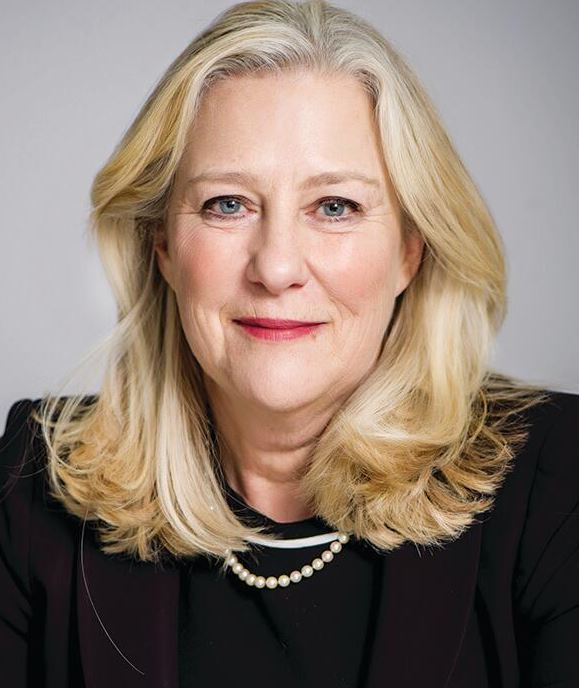
Shortlisted as Legal 500 Corporate Fraud Barrister of the Year 2022, Amanda Pinto KC specialises in corporate crime, fraud and business wrongdoing at 33 Chancery Lane. Amanda was Chair of the Bar in 2020.

Selena Jones is a barrister at 4-5 Gray’s Inn Square. She specialises in inquests, inquiries, regulatory and disciplinary, and property law.
ICAW (Inns of Court Alliance for Women) was set up in early 2022 by the four Inns to support women barristers in the development of their careers. It builds on the work of the Temple Women’s Forum and provides events, practical help and an online resource library.
Female barristers earn on average just over half (52%) of what male barristers take home.* Despite entering the profession at a similar rate to men, women’s progress is much less certain. Add in race or other intersectionalities, and the picture is even worse.
At Foundations for a Fairer Future – an ICAW event at Middle Temple last year – Mrs Justice McGowan, Treasurer of Middle Temple and former Chair of the Bar said now was the time to ‘move beyond the stage of kind words and good intentions’ to ‘achieving some practical movement’ for real progress to happen.
The event focused on developing the careers of female barristers through fairer work distribution and reducing the gender income gap.
Speakers were drawn from different professional backgrounds and experience yet several common themes emerged. The panel ranged from barristers in chambers, those instructing barristers from government/private sectors, to those managing barristers’ practices in chambers, and the equality and diversity consultant at the Bar Council.
In addition to equality of opportunity being ‘the right thing to do’, all agreed with David Stone of Allen & Overy on the business benefits of diversity:
The panel discussion was a rich seam to mine for guidance, feasible steps and practical tools (we summarise these below) and will serve as a benchmark for the development of diversity at the Bar and the effectiveness of measures to bring about change.
All speakers advocated data collection and analysis. Data provides the evidence of what is happening rather than relying on anecdote and good intentions. Data can identify outliers and anomalies and develop comparative groups, the latter being particularly beneficial to help chambers ascertain whether an individual is thriving, falling behind or on a par with their comparative group. Data can also detect whether people returning from parental leave are being given lower value work and the diversity and effectiveness of chambers’ pipeline for silk or career progression.
Rachel Krys, the Bar Council’s equality and diversity consultant, counselled against tackling everything at once: try to identify patterns in one group eg juniors under seven years’ practice – are some being led, or being led in stretching cases, more regularly? Or women returners – compare them against their comparative group at call level. The Bar Council publishes suggested groups in its Monitoring Work Distribution Toolkits which chambers can use to analyse data.
Use the information gathered from the data to better inform a barrister’s individual practice management. Chambers can support barristers to understand their market, the practice that they have and where they might focus instead or how to broaden and develop a more lucrative practice.
Use an agenda template for practice reviews so that no important points are overlooked erroneously eg practice aspirations, practice areas and expansion opportunities and ambitions, career path to silk or judicial appointment (which should always be considered well in advance of any application).
Again, data analysis is key. The Government Legal Department seeks to monitor levels of spend on individual panel counsel regularly. This detects low spend, raising questions of fairness and equal treatment as between those instructed. In private practice, Allen & Overy seeks to collaborate with chambers it regularly uses to increase the diversity of those instructed. Recommendations included:
Joanne Kane, former Chair of the Young Barristers’ Committee, suggested:
ICAW encourages a change of mindset and a sustained effort to close the gender income gap. When women’s earnings match those of their male colleagues, it will be in the economic interests of chambers generally and make for a fairer and better profession for all.
The ‘Foundations for a Fairer Future’ panel was chaired by Maggie Semple OBE – KC Appointments Selection Panel; Nkumbe Ekaney KC – Joint Head of Chambers, 1GC Family Law; Rachel Holmes – Chief Executive, Matrix Chambers; Joanne Kane – Former Chair, Young Barristers’ Committee of the Bar Council; Rachel Krys – in charge of the accelerator programme at the Bar Council; Susanna McGibbon – Treasury Solicitor; David Stone – Allen & Overy.

Chair of the Bar finds common ground on legal services between our two jurisdictions, plus an update on jury trials
A £500 donation from AlphaBiolabs has been made to the leading UK charity tackling international parental child abduction and the movement of children across international borders
Marie Law, Director of Toxicology at AlphaBiolabs, outlines the drug and alcohol testing options available for family law professionals, and how a new, free guide can help identify the most appropriate testing method for each specific case
By Louise Crush of Westgate Wealth Management
Marie Law, Director of Toxicology at AlphaBiolabs, examines the latest ONS data on drug misuse and its implications for toxicology testing in family law cases
An interview with Rob Wagg, CEO of New Park Court Chambers
With at least 31 reports of AI hallucinations in UK legal cases – over 800 worldwide – and judges using AI to assist in judicial decision-making, the risks and benefits are impossible to ignore. Matthew Lee examines how different jurisdictions are responding
What has changed, and why? Paul Secher unpacks the new standards aligning the recruiting, training and appraising of judges – the first major change to the system for ten years
The deprivation of liberty is the most significant power the state can exercise. Drawing on frontline experience, Chris Henley KC explains why replacing trial by jury with judge-only trials risks undermining justice
Ever wondered what a pupillage is like at the CPS? This Q and A provides an insight into the training, experience and next steps
The appointments of 96 new King’s Counsel (also known as silk) are announced today