*/
Thirty years after the UN Basic Principles on the Role of Lawyers (see below), lawyers continue to be at risk. For over a year the Bar Human Rights Committee (BHRC) has been working with the International Bar Association Human Rights Institute (IBAHRI) on the development of a Toolkit for Lawyers at Risk. Its objective is to ‘strengthen the protection of lawyers and those exercising lawyers’ functions who face risks as a result of carrying out their professional functions’.
The Toolkit is divided into three training modules, and two practical tools (the Legal Digest and a directory of organisations supporting lawyers’ work). The modules were launched earlier this year. Module 1 (International legal protection of lawyers and those exercising lawyers’ functions) aims to empower lawyers and those exercising lawyers’ functions with knowledge about international human rights systems and law applicable to lawyers. Module 2 (Risk assessment and risk management in the exercise of lawyers’ functions) guides lawyers on how to develop a personalised risk assessment and risk management strategy in the exercise of their function. Finally, Module 3 (The response chain to violations against lawyers) prepares lawyers to trigger the relevant international response mechanisms when at risk.
The Legal Digest, launched in June, is a unique compilation of international standards whose practical interpretation are summarised with reference to recommendations, standards and the jurisprudence of UN and regional human rights mechanisms. It is aimed as a resource for the drafting of legal complaints relating to violations of a lawyer’s rights. It is also a useful toolkit to assess the level of protection afforded to lawyers in a particular country, as well as a capacity building tool for Bar associations and national institutions.
The drafting of the Toolkit was headed by Helene Santos on behalf of IBAHRI in partnership with the BHRC (a team composed of Executive Committee members Dr Theodora Christou and Kate Stone, and member John Cubbon), Human Rights House Foundation, Lawyers for Lawyers, and Lawyers’ Rights Watch Canada. What makes this a unique publication is that we drew from our institutional experience developing mechanisms to protect and support lawyers at risk globally.
There are so many instances where the BHRC is called upon to step in to support and protect lawyers at risk. These are all catalogued on our website, and the following is only a small selection of cases which I have selected on no other basis than my personal involvement. It provides a snapshot of the different tools we use when assisting lawyers at risk around the world and which more often than not include references to the Basic Principles.
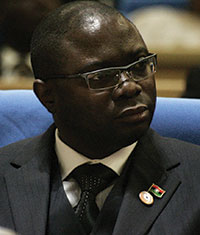
These tools are, of course, not always successful, but there are many occasions when they have made a measurable difference. For example, issuing a statement and sending a letter to relevant authorities (both local and foreign) had a significant impact on a failed assassination attempt, of the former Malawian Attorney-General Ralph Kasambara who had spoken out about issues of corruption. He was initially refused lifesaving medical care, until international intervention, including by the BHRC, led to him receiving hospital treatment. His and other cases highlight both the importance of the freedom of expression to lawyers’ work (Principle 23) and also the continuing need to remind states of their obligations as set out by the Basic Principles.
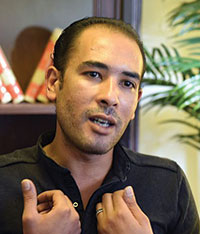
In other instances, the willingness of the BHRC to publicly meet and support lawyers at risk, has meant that they often feel more protected. We have heard this from lawyers in Cameroon, Nepal, Mexico and around the world. In Egypt and Turkey we have worked on cases where lawyers have been arrested, disappeared, prosecuted, arbitrarily held in pre-trial detention and subjected to degrading and inhuman treatment at the hands of the authorities. Additionally in Egypt, lawyers have had both their personal and professional assets frozen and are the subject of travel bans. In the case of Malek Adly, a lawyer in Egypt who was involved in a constitutional challenge against a decision of the Egyptian government, he was arrested and placed in solitary confinement for over 100 days in conditions which clearly violated Art 7 ICCPR. It is one of the cases where the BHRC made a written submission to the UN Special Rapporteur for the Independence of Judges and Lawyers. He was released, but remains the subject of a travel ban. Among others it illustrates how lawyers are identified with their clients or their clients’ causes (Principle 18). BHRC members often travel to conduct trial observations in significant cases. The presence of international legal observers in the courtroom often has a positive impact on the standard of due process. In turn, BHRC’s detailed observation reports are useful advocacy tools to highlight issues and effect change.
The greatest impact often occurs when we join forces with other groups and NGOs. For example, we often work with Peace Brigades International, meeting and supporting lawyers and Human Rights Defenders (HRDs) who visit the UK. Our statements and interventions are often issued in collaboration with others including, the Bar Council, the Law Society, IBAHRI, and the freedom of speech group, Article 19. Importantly, to understand the context in which we work, we try as far as possible to liaise with local lawyers, HRDs, and organisations.
It is regrettable that 30 years after the adoption of the Basic Principles, lawyers are still being targeted for doing what many of us take for granted – carrying out their profession, representing clients, guaranteeing access to justice, protecting human rights, and speaking out when the rule of law is not being upheld. The work to protect lawyers at risk continues and each one of us can play a positive role. Membership of BHRC is open to everyone at the Bar. Here at the BHRC we will continue supporting lawyers at risk around the world.
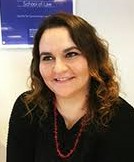
Dr Theodora Christou has been an Executive Committee Member of the BHRC for 12 years. She lectures in law at the LSE and QMUL, as well as being engaged as a consultant on projects which have involved over 80 jurisdictions.
Thirty years after the UN Basic Principles on the Role of Lawyers (see below), lawyers continue to be at risk. For over a year the Bar Human Rights Committee (BHRC) has been working with the International Bar Association Human Rights Institute (IBAHRI) on the development of a Toolkit for Lawyers at Risk. Its objective is to ‘strengthen the protection of lawyers and those exercising lawyers’ functions who face risks as a result of carrying out their professional functions’.
The Toolkit is divided into three training modules, and two practical tools (the Legal Digest and a directory of organisations supporting lawyers’ work). The modules were launched earlier this year. Module 1 (International legal protection of lawyers and those exercising lawyers’ functions) aims to empower lawyers and those exercising lawyers’ functions with knowledge about international human rights systems and law applicable to lawyers. Module 2 (Risk assessment and risk management in the exercise of lawyers’ functions) guides lawyers on how to develop a personalised risk assessment and risk management strategy in the exercise of their function. Finally, Module 3 (The response chain to violations against lawyers) prepares lawyers to trigger the relevant international response mechanisms when at risk.
The Legal Digest, launched in June, is a unique compilation of international standards whose practical interpretation are summarised with reference to recommendations, standards and the jurisprudence of UN and regional human rights mechanisms. It is aimed as a resource for the drafting of legal complaints relating to violations of a lawyer’s rights. It is also a useful toolkit to assess the level of protection afforded to lawyers in a particular country, as well as a capacity building tool for Bar associations and national institutions.
The drafting of the Toolkit was headed by Helene Santos on behalf of IBAHRI in partnership with the BHRC (a team composed of Executive Committee members Dr Theodora Christou and Kate Stone, and member John Cubbon), Human Rights House Foundation, Lawyers for Lawyers, and Lawyers’ Rights Watch Canada. What makes this a unique publication is that we drew from our institutional experience developing mechanisms to protect and support lawyers at risk globally.
There are so many instances where the BHRC is called upon to step in to support and protect lawyers at risk. These are all catalogued on our website, and the following is only a small selection of cases which I have selected on no other basis than my personal involvement. It provides a snapshot of the different tools we use when assisting lawyers at risk around the world and which more often than not include references to the Basic Principles.
These tools are, of course, not always successful, but there are many occasions when they have made a measurable difference. For example, issuing a statement and sending a letter to relevant authorities (both local and foreign) had a significant impact on a failed assassination attempt, of the former Malawian Attorney-General Ralph Kasambara who had spoken out about issues of corruption. He was initially refused lifesaving medical care, until international intervention, including by the BHRC, led to him receiving hospital treatment. His and other cases highlight both the importance of the freedom of expression to lawyers’ work (Principle 23) and also the continuing need to remind states of their obligations as set out by the Basic Principles.
In other instances, the willingness of the BHRC to publicly meet and support lawyers at risk, has meant that they often feel more protected. We have heard this from lawyers in Cameroon, Nepal, Mexico and around the world. In Egypt and Turkey we have worked on cases where lawyers have been arrested, disappeared, prosecuted, arbitrarily held in pre-trial detention and subjected to degrading and inhuman treatment at the hands of the authorities. Additionally in Egypt, lawyers have had both their personal and professional assets frozen and are the subject of travel bans. In the case of Malek Adly, a lawyer in Egypt who was involved in a constitutional challenge against a decision of the Egyptian government, he was arrested and placed in solitary confinement for over 100 days in conditions which clearly violated Art 7 ICCPR. It is one of the cases where the BHRC made a written submission to the UN Special Rapporteur for the Independence of Judges and Lawyers. He was released, but remains the subject of a travel ban. Among others it illustrates how lawyers are identified with their clients or their clients’ causes (Principle 18). BHRC members often travel to conduct trial observations in significant cases. The presence of international legal observers in the courtroom often has a positive impact on the standard of due process. In turn, BHRC’s detailed observation reports are useful advocacy tools to highlight issues and effect change.
The greatest impact often occurs when we join forces with other groups and NGOs. For example, we often work with Peace Brigades International, meeting and supporting lawyers and Human Rights Defenders (HRDs) who visit the UK. Our statements and interventions are often issued in collaboration with others including, the Bar Council, the Law Society, IBAHRI, and the freedom of speech group, Article 19. Importantly, to understand the context in which we work, we try as far as possible to liaise with local lawyers, HRDs, and organisations.
It is regrettable that 30 years after the adoption of the Basic Principles, lawyers are still being targeted for doing what many of us take for granted – carrying out their profession, representing clients, guaranteeing access to justice, protecting human rights, and speaking out when the rule of law is not being upheld. The work to protect lawyers at risk continues and each one of us can play a positive role. Membership of BHRC is open to everyone at the Bar. Here at the BHRC we will continue supporting lawyers at risk around the world.

Chair of the Bar finds common ground on legal services between our two jurisdictions, plus an update on jury trials
A £500 donation from AlphaBiolabs has been made to the leading UK charity tackling international parental child abduction and the movement of children across international borders
Marie Law, Director of Toxicology at AlphaBiolabs, outlines the drug and alcohol testing options available for family law professionals, and how a new, free guide can help identify the most appropriate testing method for each specific case
By Louise Crush of Westgate Wealth Management
Marie Law, Director of Toxicology at AlphaBiolabs, examines the latest ONS data on drug misuse and its implications for toxicology testing in family law cases
An interview with Rob Wagg, CEO of New Park Court Chambers
With at least 31 reports of AI hallucinations in UK legal cases – over 800 worldwide – and judges using AI to assist in judicial decision-making, the risks and benefits are impossible to ignore. Matthew Lee examines how different jurisdictions are responding
What has changed, and why? Paul Secher unpacks the new standards aligning the recruiting, training and appraising of judges – the first major change to the system for ten years
The deprivation of liberty is the most significant power the state can exercise. Drawing on frontline experience, Chris Henley KC explains why replacing trial by jury with judge-only trials risks undermining justice
Ever wondered what a pupillage is like at the CPS? This Q and A provides an insight into the training, experience and next steps
The appointments of 96 new King’s Counsel (also known as silk) are announced today