*/
This lecture, which is held annually, commemorates the charity’s former chair, Philip Rueff, a barrister and Recorder. Previous lecturers, drawn from many different walks of life have included Sir Simon Schama, Lord Dubs, Bishop Rose Hudson-Wilkin and Israeli and Palestinian lawyers.
Philippe Sands hardly needs any introduction. He is a leading international law and human rights silk, a highly respected academic, a broadcaster and an author, whose recent works include East West Street: On the Origins of Crimes Against Humanity and Genocide and The Ratline: Love, Lies and Justice on the Trail of a Nazi Fugitive. Given recent international events, his topic for the lecture could not be timelier. Should there be an international rule of law? As Sands himself has previously written: ‘The community of nations has in the past claimed and successfully asserted the right to intercede on behalf of the violated rights of man trampled upon by the State in a manner calculated to shock the moral sense of mankind.’ We confidentially anticipate that his lecture will be stimulating and of interest to the Bar generally, not only to those practising in international law or human rights.
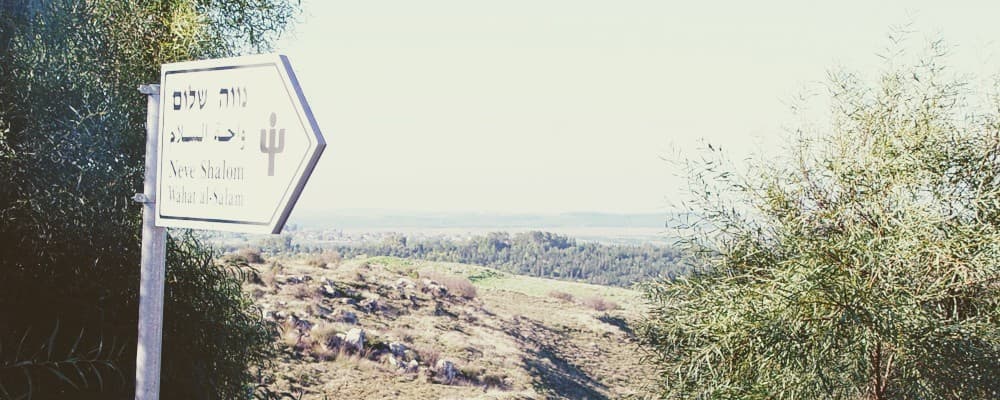
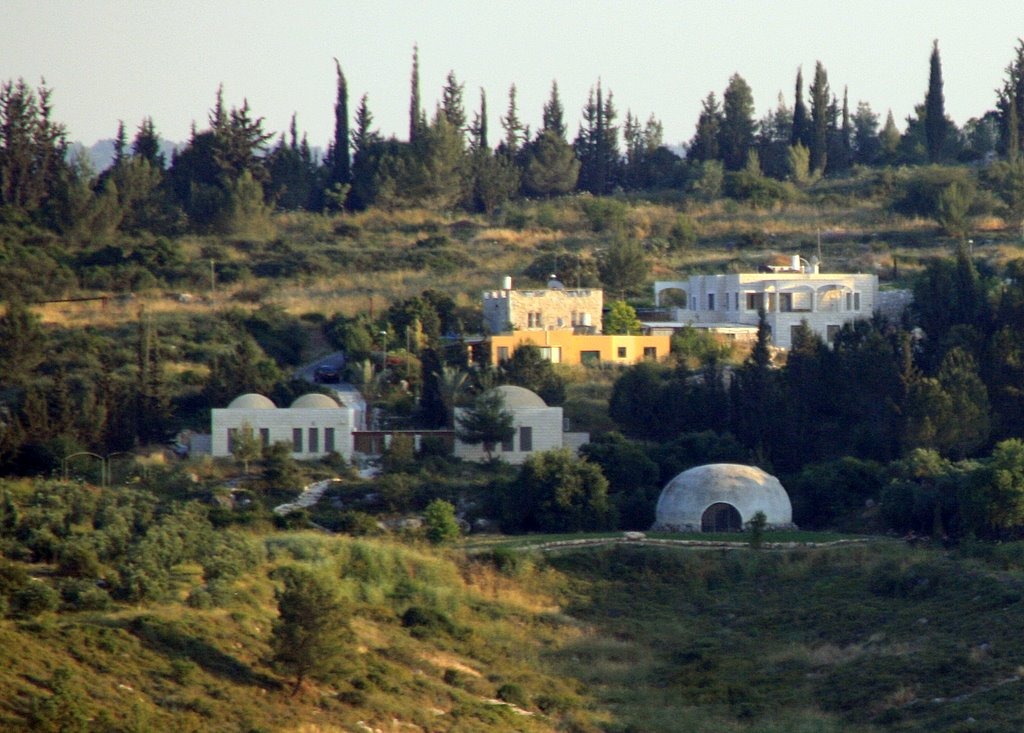
About 40km to the west of Jerusalem lies a quite remarkable settlement – the village of Neve Shalom Wahat al Salam (pictured below): the Oasis of Peace. Here, Israeli Arabs and Israeli Jews live in equal numbers. Here, there is a primary school, where Arab and Jewish children from the village and the outlying community attend in equal numbers. Here is the School for Peace which runs programs for Jewish and Arab people of all ages aimed at promoting understanding between the two communities. Against the background of turmoil and strife in the Middle East, the Village stands as a beacon of hope.
This year’s Rueff Lecture will be raising funds for the School for Peace, the village’s pioneering conflict resolution centre, which has itself worked with many Israeli and Palestinian lawyers in pursuit of peace, justice, and equality in Israel and the wider region. The event will include a Q&A. Registration is free. We encourage donations in support of the School for Peace and of the wider work of Oasis of Peace UK. The Lawyers’ Group would be delighted to see readers of Counsel attend and we invite you to register at our website.
David Altaras is a barrister and a member of The Lawyers' Group of Oasis of Peace UK.
This lecture, which is held annually, commemorates the charity’s former chair, Philip Rueff, a barrister and Recorder. Previous lecturers, drawn from many different walks of life have included Sir Simon Schama, Lord Dubs, Bishop Rose Hudson-Wilkin and Israeli and Palestinian lawyers.
Philippe Sands hardly needs any introduction. He is a leading international law and human rights silk, a highly respected academic, a broadcaster and an author, whose recent works include East West Street: On the Origins of Crimes Against Humanity and Genocide and The Ratline: Love, Lies and Justice on the Trail of a Nazi Fugitive. Given recent international events, his topic for the lecture could not be timelier. Should there be an international rule of law? As Sands himself has previously written: ‘The community of nations has in the past claimed and successfully asserted the right to intercede on behalf of the violated rights of man trampled upon by the State in a manner calculated to shock the moral sense of mankind.’ We confidentially anticipate that his lecture will be stimulating and of interest to the Bar generally, not only to those practising in international law or human rights.
About 40km to the west of Jerusalem lies a quite remarkable settlement – the village of Neve Shalom Wahat al Salam (pictured below): the Oasis of Peace. Here, Israeli Arabs and Israeli Jews live in equal numbers. Here, there is a primary school, where Arab and Jewish children from the village and the outlying community attend in equal numbers. Here is the School for Peace which runs programs for Jewish and Arab people of all ages aimed at promoting understanding between the two communities. Against the background of turmoil and strife in the Middle East, the Village stands as a beacon of hope.
This year’s Rueff Lecture will be raising funds for the School for Peace, the village’s pioneering conflict resolution centre, which has itself worked with many Israeli and Palestinian lawyers in pursuit of peace, justice, and equality in Israel and the wider region. The event will include a Q&A. Registration is free. We encourage donations in support of the School for Peace and of the wider work of Oasis of Peace UK. The Lawyers’ Group would be delighted to see readers of Counsel attend and we invite you to register at our website.

The Bar Council is ready to support a turn to the efficiencies that will make a difference
By Louise Crush of Westgate Wealth Management
Marie Law, Director of Toxicology at AlphaBiolabs, examines the latest ONS data on drug misuse and its implications for toxicology testing in family law cases
An interview with Rob Wagg, CEO of New Park Court Chambers
What meaningful steps can you take in 2026 to advance your legal career? asks Thomas Cowan of St Pauls Chambers
Marie Law, Director of Toxicology at AlphaBiolabs, explains why drugs may appear in test results, despite the donor denying use of them
Ever wondered what a pupillage is like at the CPS? This Q and A provides an insight into the training, experience and next steps
The appointments of 96 new King’s Counsel (also known as silk) are announced today
Ready for the new way to do tax returns? David Southern KC continues his series explaining the impact on barristers. In part 2, a worked example shows the specific practicalities of adapting to the new system
Resolution of the criminal justice crisis does not lie in reheating old ideas that have been roundly rejected before, say Ed Vickers KC, Faras Baloch and Katie Bacon
With pupillage application season under way, Laura Wright reflects on her route to ‘tech barrister’ and offers advice for those aiming at a career at the Bar