*/

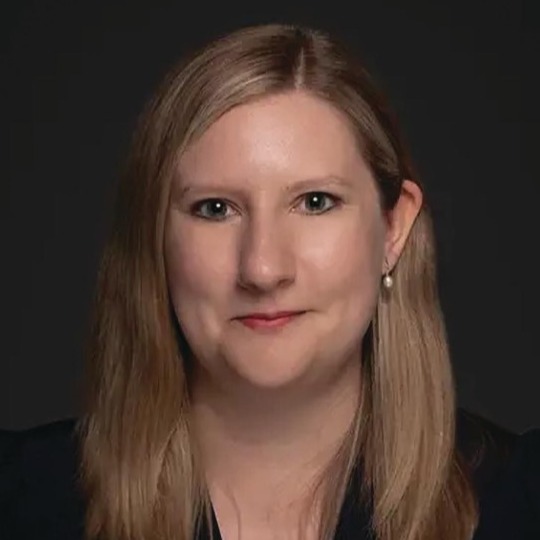
Amelia Clegg shares the lessons standing her in good stead as 2026 Chair of the Young Barristers’ Committee and the priorities for her term
My grandmother was born in the East End in 1931 and was one of those Eastenders who were born within the sound of the Bow bells, knew several women called Ivy, had an Aunt Em who was in no way related to her and understood the reality of making every penny count. She left school when she was 14 but she told me that had she been able to have more education, she would have been a history teacher or an opera singer. It is particularly poignant to me that both those professions seemed equally far fetched and unattainable for her.
My mother was the first person in my family to go to university (I was the third) and she did, to my grandmother’s joy, become a teacher. My mother fought her way through the sexism of the 1980s to rise through her profession, only to have to start again when my father left her with three children under the age of 11, the oldest of whom was me. She is about to retire and, having worked her way back up from the bottom, is now a deputy headteacher. My grandmother stepped in to fill the void left by my father and helped my mother bring up me, my brother and my sister, and between them they showed us that hard work, perseverance and courage are good companions to have when other people walk away.
I mention these two women because without them, my life would have taken a very different shape. My family history is darkened by at least two generations of domestic abuse and financial hardship. I have been helped by a lot of people but my grandmother and mother have been my twin pillars of strength and inspiration, and the lessons they have taught me will stand me in good stead as I take on the role of Chair of the Young Barristers’ Committee (YBC) in 2026.
The YBC’s role is to represent and to be the voice of barristers under seven years’ call. I have already learned as Vice Chair of the YBC that what we lack in professional legal experience (relative to the more senior of our profession), we make up for in zeal and commitment to enacting positive change. The YBC’s remit ranges from policy work (including drafting reports and guidance for young barristers and responding to government consultations) to maintaining and developing relationships between regional, national and international professional organisations for young lawyers. Above all, we are the port in the storm for all of those taking their first steps at the Bar. We are here to listen to you, to support you and to represent your views to the wider Bar Council and to the rest of the profession.
I am grateful to my predecessor, Lachlan Stewart, who not only chaired the YBC last year with a natural grace and authority which many people take years to learn, but who showed me considerable kindness in March 2025 when my grandmother died. I must also thank Nathan Trotter, former policy adviser to the YBC whose good humour and enthusiasm made both Lachlan’s role and my role at the YBC a real pleasure. Ruth Lovett stepped up to take his place this year and has, with her quiet authority and unwavering encouragement, already become an invaluable champion for the YBC. I am looking forward to serving alongside Yaa Dankwa Ampadu-Sackey, Vice-Chair of the YBC for 2026.
To paraphrase Walt Whitman, I contain multitudes, and I believe that the profession of barrister should enhance and develop those multitudes, rather than constrain them. I come from a single parent family in Basildon but also read Classics at the University of Oxford and am now a barrister – things which, when I was a teenager, seemed like almost impossible goals. I have enjoyed an unusual career in the law so far and my priorities for my year as YBC Chair reflect that experience:
First, I wish to offer my voice to the junior barristers currently practising at the employed Bar. I am first employed barrister to take up the role of YBC Chair. I have experience of practising in chambers, in the United States and now at the employed Bar in England and therefore I am uniquely placed to understand the benefits and difficulties experienced by both the independent and the employed Bar. There is a sense at the employed Bar that the Bar has become a ‘two-tier’ profession in which employed barristers feel that they are viewed as less skilled or less ‘important’ than their self-employed counterparts. It is important that we are united and that we celebrate the evolution of the Bar into a multi-faceted profession.
Second, I intend to use this year to continue the work of the Bar Council in supporting women in this profession. This year, for the first time in its history, all four officers of the Bar Council, as well as the Vice Chair of the YBC, are women – an historic occasion to which I am proud to belong. In 2022, I won the American Inns of Court’s Warren E. Burger Award for Legal Writing for a paper I wrote on sexism against female lawyers as a form of professional incivility. The issues I wrote about, from female lawyers being expected to undertake the administrative or ‘housekeeping’ aspects of their cases (whatever their seniority) to sexual harassment, have not disappeared. While female barristers have made advances, there is work to be done. Baroness Harman KC, in her independent review of bullying, harassment and sexual harassment at the Bar, observed that bullying and harassment disproportionately impact women, those from ethnic minorities, and people with a disability. We may not always be ‘the only woman in the room’ anymore (although disappointingly, we often are), but we now need to ensure that ‘the room’, be it the boardroom or the courtroom, is somewhere female barristers can work without fear.
Third, I would like to use my transatlantic experience and connections to help develop relationships between the Bar and American law organisations. I am a dual-qualified New York attorney and I spent three years practising in litigation in New York. I have retained strong connections to US lawyers and legal organisations. I am regularly in touch with the American Inns of Court. I am also a member of the American Bar Association. I hope to augment the Employed Barristers’ Committee’s work in encouraging firms who employ barristers to provide more advocacy opportunities for those barristers. In New York, I was expected to handle all aspects of my cases, including the advocacy, and I think we can learn a lot from our US counterparts in this regard.
Above all, I intend to serve the YBC and the most junior in our profession to the best of my ability. I am armed with the values and qualities instilled in me by my grandmother and my mother; they taught me that most challenges can be surmounted with fortitude and a robust sense of humour. I look forward to proving them right.
The Bar Council’s Young Barristers’ Committee works to represent and promote the interests of barristers in their first seven years of practice, on everything from career development opportunities to addressing issues around bullying and fair allocation of work. Find support, events and resources here. Contact the YBC by email (YBC@barcouncil.org.uk) or on X (@YoungBarristers).
Bar Council’s Action plan for implementing Baroness Harriet Harman KC’s 36 recommendations
Bar Council’s international professional and legal development grant programme
My grandmother was born in the East End in 1931 and was one of those Eastenders who were born within the sound of the Bow bells, knew several women called Ivy, had an Aunt Em who was in no way related to her and understood the reality of making every penny count. She left school when she was 14 but she told me that had she been able to have more education, she would have been a history teacher or an opera singer. It is particularly poignant to me that both those professions seemed equally far fetched and unattainable for her.
My mother was the first person in my family to go to university (I was the third) and she did, to my grandmother’s joy, become a teacher. My mother fought her way through the sexism of the 1980s to rise through her profession, only to have to start again when my father left her with three children under the age of 11, the oldest of whom was me. She is about to retire and, having worked her way back up from the bottom, is now a deputy headteacher. My grandmother stepped in to fill the void left by my father and helped my mother bring up me, my brother and my sister, and between them they showed us that hard work, perseverance and courage are good companions to have when other people walk away.
I mention these two women because without them, my life would have taken a very different shape. My family history is darkened by at least two generations of domestic abuse and financial hardship. I have been helped by a lot of people but my grandmother and mother have been my twin pillars of strength and inspiration, and the lessons they have taught me will stand me in good stead as I take on the role of Chair of the Young Barristers’ Committee (YBC) in 2026.
The YBC’s role is to represent and to be the voice of barristers under seven years’ call. I have already learned as Vice Chair of the YBC that what we lack in professional legal experience (relative to the more senior of our profession), we make up for in zeal and commitment to enacting positive change. The YBC’s remit ranges from policy work (including drafting reports and guidance for young barristers and responding to government consultations) to maintaining and developing relationships between regional, national and international professional organisations for young lawyers. Above all, we are the port in the storm for all of those taking their first steps at the Bar. We are here to listen to you, to support you and to represent your views to the wider Bar Council and to the rest of the profession.
I am grateful to my predecessor, Lachlan Stewart, who not only chaired the YBC last year with a natural grace and authority which many people take years to learn, but who showed me considerable kindness in March 2025 when my grandmother died. I must also thank Nathan Trotter, former policy adviser to the YBC whose good humour and enthusiasm made both Lachlan’s role and my role at the YBC a real pleasure. Ruth Lovett stepped up to take his place this year and has, with her quiet authority and unwavering encouragement, already become an invaluable champion for the YBC. I am looking forward to serving alongside Yaa Dankwa Ampadu-Sackey, Vice-Chair of the YBC for 2026.
To paraphrase Walt Whitman, I contain multitudes, and I believe that the profession of barrister should enhance and develop those multitudes, rather than constrain them. I come from a single parent family in Basildon but also read Classics at the University of Oxford and am now a barrister – things which, when I was a teenager, seemed like almost impossible goals. I have enjoyed an unusual career in the law so far and my priorities for my year as YBC Chair reflect that experience:
First, I wish to offer my voice to the junior barristers currently practising at the employed Bar. I am first employed barrister to take up the role of YBC Chair. I have experience of practising in chambers, in the United States and now at the employed Bar in England and therefore I am uniquely placed to understand the benefits and difficulties experienced by both the independent and the employed Bar. There is a sense at the employed Bar that the Bar has become a ‘two-tier’ profession in which employed barristers feel that they are viewed as less skilled or less ‘important’ than their self-employed counterparts. It is important that we are united and that we celebrate the evolution of the Bar into a multi-faceted profession.
Second, I intend to use this year to continue the work of the Bar Council in supporting women in this profession. This year, for the first time in its history, all four officers of the Bar Council, as well as the Vice Chair of the YBC, are women – an historic occasion to which I am proud to belong. In 2022, I won the American Inns of Court’s Warren E. Burger Award for Legal Writing for a paper I wrote on sexism against female lawyers as a form of professional incivility. The issues I wrote about, from female lawyers being expected to undertake the administrative or ‘housekeeping’ aspects of their cases (whatever their seniority) to sexual harassment, have not disappeared. While female barristers have made advances, there is work to be done. Baroness Harman KC, in her independent review of bullying, harassment and sexual harassment at the Bar, observed that bullying and harassment disproportionately impact women, those from ethnic minorities, and people with a disability. We may not always be ‘the only woman in the room’ anymore (although disappointingly, we often are), but we now need to ensure that ‘the room’, be it the boardroom or the courtroom, is somewhere female barristers can work without fear.
Third, I would like to use my transatlantic experience and connections to help develop relationships between the Bar and American law organisations. I am a dual-qualified New York attorney and I spent three years practising in litigation in New York. I have retained strong connections to US lawyers and legal organisations. I am regularly in touch with the American Inns of Court. I am also a member of the American Bar Association. I hope to augment the Employed Barristers’ Committee’s work in encouraging firms who employ barristers to provide more advocacy opportunities for those barristers. In New York, I was expected to handle all aspects of my cases, including the advocacy, and I think we can learn a lot from our US counterparts in this regard.
Above all, I intend to serve the YBC and the most junior in our profession to the best of my ability. I am armed with the values and qualities instilled in me by my grandmother and my mother; they taught me that most challenges can be surmounted with fortitude and a robust sense of humour. I look forward to proving them right.
The Bar Council’s Young Barristers’ Committee works to represent and promote the interests of barristers in their first seven years of practice, on everything from career development opportunities to addressing issues around bullying and fair allocation of work. Find support, events and resources here. Contact the YBC by email (YBC@barcouncil.org.uk) or on X (@YoungBarristers).
Bar Council’s Action plan for implementing Baroness Harriet Harman KC’s 36 recommendations
Bar Council’s international professional and legal development grant programme
Amelia Clegg shares the lessons standing her in good stead as 2026 Chair of the Young Barristers’ Committee and the priorities for her term

Chair of the Bar finds common ground on legal services between our two jurisdictions, plus an update on jury trials
A £500 donation from AlphaBiolabs has been made to the leading UK charity tackling international parental child abduction and the movement of children across international borders
Marie Law, Director of Toxicology at AlphaBiolabs, outlines the drug and alcohol testing options available for family law professionals, and how a new, free guide can help identify the most appropriate testing method for each specific case
By Louise Crush of Westgate Wealth Management
Marie Law, Director of Toxicology at AlphaBiolabs, examines the latest ONS data on drug misuse and its implications for toxicology testing in family law cases
An interview with Rob Wagg, CEO of New Park Court Chambers
With at least 31 reports of AI hallucinations in UK legal cases – over 800 worldwide – and judges using AI to assist in judicial decision-making, the risks and benefits are impossible to ignore. Matthew Lee examines how different jurisdictions are responding
What has changed, and why? Paul Secher unpacks the new standards aligning the recruiting, training and appraising of judges – the first major change to the system for ten years
The deprivation of liberty is the most significant power the state can exercise. Drawing on frontline experience, Chris Henley KC explains why replacing trial by jury with judge-only trials risks undermining justice
Ever wondered what a pupillage is like at the CPS? This Q and A provides an insight into the training, experience and next steps
The appointments of 96 new King’s Counsel (also known as silk) are announced today