*/
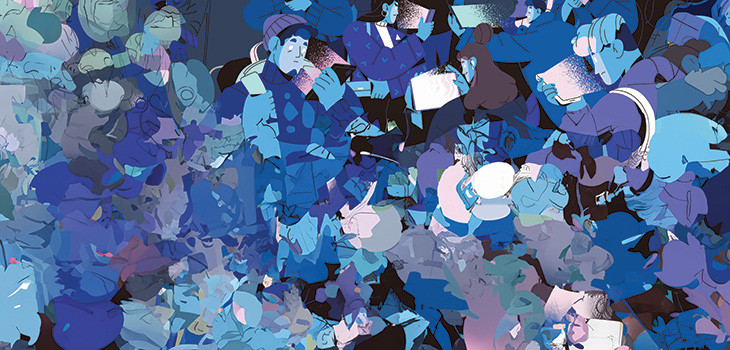
Julie Norris provides a reminder of social media pitfalls and suggests what to do if you’ve pressed ‘post’ in the ‘heat of the moment’
As a barrister, your online conduct can significantly affect your professional reputation. The Bar Standards Board (BSB) has made it clear that even personal social media activity may be regulated if it could impact the legal profession. From pupils to KCs, all barristers must understand how to navigate social media responsibly. This article explores the key ‘dos and don’ts’ of social media and what to do if you have posted in the heat of the moment.
While barristers have a right to freedom of expression under Article 10 of the European Convention on Human Rights, this right is not absolute. It must be balanced against the rights of others, including the reputation of others.
In recent years, the BSB has increased its focus on social media, with a notable rise in the number of complaints related to online conduct. In 2022-23, the BSB received 102 reports of professional misconduct involving social media, a significant jump from just 12 in 2018-19. These figures highlight the growing risks of barristers using social media without due care.
The BSB social media guidance applies to all forms of online communication – Facebook, Instagram, LinkedIn, Twitter/X etc. – and emphasises the importance of upholding professional standards in all aspects of life, online and offline.
The BSB will first assess whether the conduct is relevant to your role as a barrister or the profession’s standing. If your online actions could diminish public trust or confidence in the profession, they are likely to investigate.
Several core duties from the BSB Handbook apply directly to social media use:
Failing to uphold these duties online can lead to serious consequences, including disciplinary action.
To avoid falling foul of the BSB’s regulations, steer clear of the following behaviours:
Avoid using offensive, discriminatory or harassing language, even when posting in a personal capacity. Reposting content without a clear disclaimer of disagreement can be seen as endorsement and may breach CD5 and CD8. Make sure you read all the embedded threads and other content in anything you repost.
In Diggins v Bar Standards Board [2020] EWHC 467 (Admin), Martin Diggins, an unregistered barrister, was fined £1,000 for misconduct after making a racially and sexually offensive comment on Twitter. He was responding to a student who advocated for the ‘decolonisation of English degrees’ at Cambridge University. Mr Diggins argued that his actions fell outside the BSB remit, as he was an unregistered barrister. The court roundly rejected this claim, holding that the focus of the Panel, ‘quite properly… was not so much on the message as the likely effect of the florid language employed to express that message’.
The BSB guidance picks up on this focus by stating: ‘[t]he BSB is more likely to have a regulatory interest in social media use where the manner in which you express yourself is inconsistent with your obligations under the BSB Handbook. We are less likely to have an interest in the substance of the views that you hold (however unpopular they may be).’
Be truthful in everything you share. Posting misleading information or exaggerating achievements may breach CD3 and CD5.
While barristers are entitled to critique the legal system, personal or unfounded attacks on judges risk breaching CD1, CD3, and CD5. Professional criticisms should be grounded in fact and made with respect.
Be extremely cautious when discussing your work online. Even a vague reference to a case or client may be enough to breach CD6.
Always consider how your post could affect your professional reputation and public confidence in the legal profession. Ask yourself if your comment could be misinterpreted. Remember that even if you post or comment something in what you think is a limited space with a small audience, there is potential that this can be shared out of your control (even if you later delete the post). Remember that reposting content without your clear disagreement can be seen as endorsement.
Whether you are posting personal opinions or professional updates, always uphold the standards expected of you as a barrister. Your posts should reflect well on you and the profession.
Never share information that could inadvertently link you to a client or case. Err on the side of caution when discussing your work life.
Social media platforms frequently update their privacy settings and policies. Make sure you understand how your data is being used and adjust your privacy settings accordingly.
Even the best of us can make mistakes. If you’ve posted something in anger, it’s essential to act quickly to minimise the damage.
The faster you remove the offending content, the better. Although deletion will not entirely erase the issue – especially since online content can be easily shared – it helps limit further exposure and potential damage. However, be prepared for the possibility that the post has already been captured or circulated.
If your post has caused harm, consider issuing a genuine apology. Acknowledge the mistake and take full responsibility. However, if you believe you have done nothing wrong or are uncertain, seek legal advice before making any public statement. This can help ensure that your response is appropriate and does not inadvertently worsen the situation.
If the situation escalates, contact a solicitor who specialises in professional conduct. They can advise you on the potential consequences and help you navigate any regulatory issues.
If your post has triggered a BSB investigation, understanding the process is crucial. The BSB will conduct an initial assessment to determine whether your conduct breaches any of the core duties.
The matter may be escalated to the Investigations and Enforcement Team, who will gather evidence to decide if disciplinary proceedings are warranted. Legal representation is advisable throughout this process to ensure your rights are protected and that you respond appropriately.
The BSB takes into account how an ordinary, reasonable person would interpret your conduct, the context of your post, and the platform used. Posts involving extreme hate speech, threats, or incitement of violence are likely to attract the highest level of scrutiny. If your post leads to serious disciplinary action, penalties could include fines, suspension, or even disbarment.
Social media is a powerful communication tool, but for barristers, it carries additional professional responsibilities. Staying informed about the BSB guidance and exercising caution online is essential. Think carefully before you post, uphold your professionalism, and if you make a mistake, act swiftly to correct it. By doing so, you can avoid the pitfalls that have affected others and protect your reputation in the legal profession.
BSB guidance for barristers using social media (valid from 20 September 2023)

Julie Norris, Partner in Kingsley Napley’s Regulatory team, acts in the legal services sector, advising law firms, solicitors, and barristers on regulatory compliance, investigations, adjudication, enforcement, and prosecutions.
As a barrister, your online conduct can significantly affect your professional reputation. The Bar Standards Board (BSB) has made it clear that even personal social media activity may be regulated if it could impact the legal profession. From pupils to KCs, all barristers must understand how to navigate social media responsibly. This article explores the key ‘dos and don’ts’ of social media and what to do if you have posted in the heat of the moment.
While barristers have a right to freedom of expression under Article 10 of the European Convention on Human Rights, this right is not absolute. It must be balanced against the rights of others, including the reputation of others.
In recent years, the BSB has increased its focus on social media, with a notable rise in the number of complaints related to online conduct. In 2022-23, the BSB received 102 reports of professional misconduct involving social media, a significant jump from just 12 in 2018-19. These figures highlight the growing risks of barristers using social media without due care.
The BSB social media guidance applies to all forms of online communication – Facebook, Instagram, LinkedIn, Twitter/X etc. – and emphasises the importance of upholding professional standards in all aspects of life, online and offline.
The BSB will first assess whether the conduct is relevant to your role as a barrister or the profession’s standing. If your online actions could diminish public trust or confidence in the profession, they are likely to investigate.
Several core duties from the BSB Handbook apply directly to social media use:
Failing to uphold these duties online can lead to serious consequences, including disciplinary action.
To avoid falling foul of the BSB’s regulations, steer clear of the following behaviours:
Avoid using offensive, discriminatory or harassing language, even when posting in a personal capacity. Reposting content without a clear disclaimer of disagreement can be seen as endorsement and may breach CD5 and CD8. Make sure you read all the embedded threads and other content in anything you repost.
In Diggins v Bar Standards Board [2020] EWHC 467 (Admin), Martin Diggins, an unregistered barrister, was fined £1,000 for misconduct after making a racially and sexually offensive comment on Twitter. He was responding to a student who advocated for the ‘decolonisation of English degrees’ at Cambridge University. Mr Diggins argued that his actions fell outside the BSB remit, as he was an unregistered barrister. The court roundly rejected this claim, holding that the focus of the Panel, ‘quite properly… was not so much on the message as the likely effect of the florid language employed to express that message’.
The BSB guidance picks up on this focus by stating: ‘[t]he BSB is more likely to have a regulatory interest in social media use where the manner in which you express yourself is inconsistent with your obligations under the BSB Handbook. We are less likely to have an interest in the substance of the views that you hold (however unpopular they may be).’
Be truthful in everything you share. Posting misleading information or exaggerating achievements may breach CD3 and CD5.
While barristers are entitled to critique the legal system, personal or unfounded attacks on judges risk breaching CD1, CD3, and CD5. Professional criticisms should be grounded in fact and made with respect.
Be extremely cautious when discussing your work online. Even a vague reference to a case or client may be enough to breach CD6.
Always consider how your post could affect your professional reputation and public confidence in the legal profession. Ask yourself if your comment could be misinterpreted. Remember that even if you post or comment something in what you think is a limited space with a small audience, there is potential that this can be shared out of your control (even if you later delete the post). Remember that reposting content without your clear disagreement can be seen as endorsement.
Whether you are posting personal opinions or professional updates, always uphold the standards expected of you as a barrister. Your posts should reflect well on you and the profession.
Never share information that could inadvertently link you to a client or case. Err on the side of caution when discussing your work life.
Social media platforms frequently update their privacy settings and policies. Make sure you understand how your data is being used and adjust your privacy settings accordingly.
Even the best of us can make mistakes. If you’ve posted something in anger, it’s essential to act quickly to minimise the damage.
The faster you remove the offending content, the better. Although deletion will not entirely erase the issue – especially since online content can be easily shared – it helps limit further exposure and potential damage. However, be prepared for the possibility that the post has already been captured or circulated.
If your post has caused harm, consider issuing a genuine apology. Acknowledge the mistake and take full responsibility. However, if you believe you have done nothing wrong or are uncertain, seek legal advice before making any public statement. This can help ensure that your response is appropriate and does not inadvertently worsen the situation.
If the situation escalates, contact a solicitor who specialises in professional conduct. They can advise you on the potential consequences and help you navigate any regulatory issues.
If your post has triggered a BSB investigation, understanding the process is crucial. The BSB will conduct an initial assessment to determine whether your conduct breaches any of the core duties.
The matter may be escalated to the Investigations and Enforcement Team, who will gather evidence to decide if disciplinary proceedings are warranted. Legal representation is advisable throughout this process to ensure your rights are protected and that you respond appropriately.
The BSB takes into account how an ordinary, reasonable person would interpret your conduct, the context of your post, and the platform used. Posts involving extreme hate speech, threats, or incitement of violence are likely to attract the highest level of scrutiny. If your post leads to serious disciplinary action, penalties could include fines, suspension, or even disbarment.
Social media is a powerful communication tool, but for barristers, it carries additional professional responsibilities. Staying informed about the BSB guidance and exercising caution online is essential. Think carefully before you post, uphold your professionalism, and if you make a mistake, act swiftly to correct it. By doing so, you can avoid the pitfalls that have affected others and protect your reputation in the legal profession.
BSB guidance for barristers using social media (valid from 20 September 2023)
Julie Norris provides a reminder of social media pitfalls and suggests what to do if you’ve pressed ‘post’ in the ‘heat of the moment’

Chair of the Bar finds common ground on legal services between our two jurisdictions, plus an update on jury trials
A £500 donation from AlphaBiolabs has been made to the leading UK charity tackling international parental child abduction and the movement of children across international borders
Marie Law, Director of Toxicology at AlphaBiolabs, outlines the drug and alcohol testing options available for family law professionals, and how a new, free guide can help identify the most appropriate testing method for each specific case
By Louise Crush of Westgate Wealth Management
Marie Law, Director of Toxicology at AlphaBiolabs, examines the latest ONS data on drug misuse and its implications for toxicology testing in family law cases
An interview with Rob Wagg, CEO of New Park Court Chambers
With at least 31 reports of AI hallucinations in UK legal cases – over 800 worldwide – and judges using AI to assist in judicial decision-making, the risks and benefits are impossible to ignore. Matthew Lee examines how different jurisdictions are responding
What has changed, and why? Paul Secher unpacks the new standards aligning the recruiting, training and appraising of judges – the first major change to the system for ten years
The deprivation of liberty is the most significant power the state can exercise. Drawing on frontline experience, Chris Henley KC explains why replacing trial by jury with judge-only trials risks undermining justice
Ever wondered what a pupillage is like at the CPS? This Q and A provides an insight into the training, experience and next steps
The appointments of 96 new King’s Counsel (also known as silk) are announced today