*/
© Getty Images
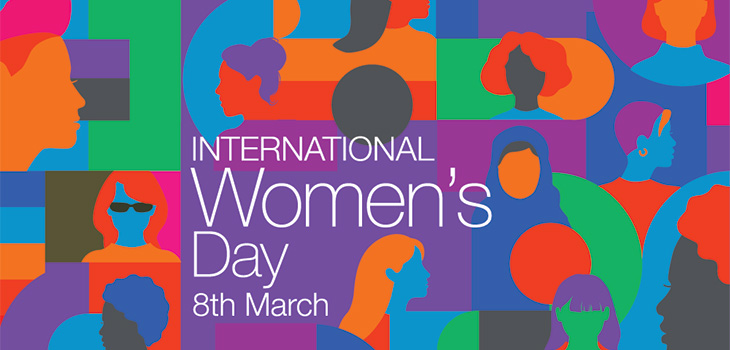
Recognising examples of positive change among the huge systemic issues, Chris Henley underlines the importance of being an ally to women at the criminal Bar
I am very conscious that I say this from a male perspective, and that the profession has much further to go before we approach anything like equality for female practitioners; but we are finally beginning to see positive change for women at the criminal Bar. I am also conscious that being part of the change is much more important than men writing articles about how well we are doing. But I do believe there has been real progress since I wrote the Criminal Bar Association (CBA) Monday Message, in February 2019, ‘The Problem with Being a Woman at the Criminal Bar’.
Shortly after publication I was summoned to a private meeting with the then Lord Chief Justice and warned that airing such matters in public was ‘demoralising the judiciary’. I also heard that it was being suggested by some very senior judges that I was making most of it up. I do not believe this would happen now.
The Harman Review on bullying, harassment and discrimination, and the Lady Chief Justice’s strong response to it must be a watershed moment and hopefully shows a determination to confront the problems. No longer can these issues be ignored, denied or underplayed; they must be looked squarely in the eye. There remain huge systemic issues, which we all know about. The Bar Council’s recent report on gender pay differentials right across the Bar and at every level was a shocking read. All chambers must address this as an immediate priority. At the criminal Bar, too few women appear in multi-handed fraud, terrorism and murder trials (the best paid work), and too many are steered towards single-defendant rape, coercive control and child abuse cases (much shorter, more gruelling work, which is not remunerated adequately). The latter is also work that routinely involves s 28 hearings, which might be a welcome innovation for vulnerable witnesses, but are incredibly disruptive to growing a broader practice.
So why do I believe things are getting better, too slowly, but nevertheless tangibly better? While the criminal justice system still has serious issues with minority ethnic diversity among the judiciary, and at KC level, there are increasing numbers of brilliant women being appointed to the bench and to silk. The Central Criminal Court now has gender parity among its judges, and the Treasury Counsel team, once an exclusively male preserve, is almost evenly split.
I have mentioned the Lady Chief Justice already, but other notable women judges making a real difference are HHJ Rosa Dean at Snaresbrook, who is another excellent thoughtful judge providing marshalling opportunities for pupils (which a number of our pupils have taken advantage of) and HHJ Karu who, when resident at Inner London, allowed generous use of that court building for advocacy training evenings.
Organisations like Women in Criminal Law and the Female Fraud Forum have become essential and vocal. Leaders of the professional bodies, the CBA, the Circuits, the Bar Council, are now as often women as men. This is a change.
Closer to home many of our brilliant female barristers invest their time in creating and supporting such groups and organisations. An aspiration for Mountford was to achieve gender parity among our clerking and management team, and members of chambers. It wasn’t something we tried to engineer in artificial ways, but something that I hoped would happen more organically if we created an inclusive ethos and put the right policies and support in place.
Perhaps it is just a coincidence, but we have reached gender parity among our staff – in fact we’ve done a bit better. And apart from our silks (work to do there) we have reached close to equal numbers of women and men amongst our members and pupils. There will always be more to do, but we strive to be an ally to women at the criminal Bar. We have dedicated WhatsApp groups for women members, younger women, new mums and pupils which make a massive difference whatever the issue, or just to raise a smile.
A particular challenge for women who have children is managing a return to the Bar on terms and at a time they are comfortable with. The childcare burden still falls overwhelmingly on women. For a wide range of reasons and circumstances chambers’ policies need to recognise this and be flexible. This is the right thing to do but it is also the wise thing to do. Building a supportive environment enables those with young families to continue in or return to practice. All the investment made in their careers, on both sides, would be wasted if chambers imposed barriers, consciously or unconsciously, to practice on those with young children, or indeed caring responsibilities at any stage in life.

Chris Henley KC is Head of Mountford Chambers (formerly Carmelite). He is highly regarded in all areas of serious crime, particularly murder, fraud and terrorism, and was the 2018/19 Chair of the Criminal Bar Association.
I am very conscious that I say this from a male perspective, and that the profession has much further to go before we approach anything like equality for female practitioners; but we are finally beginning to see positive change for women at the criminal Bar. I am also conscious that being part of the change is much more important than men writing articles about how well we are doing. But I do believe there has been real progress since I wrote the Criminal Bar Association (CBA) Monday Message, in February 2019, ‘The Problem with Being a Woman at the Criminal Bar’.
Shortly after publication I was summoned to a private meeting with the then Lord Chief Justice and warned that airing such matters in public was ‘demoralising the judiciary’. I also heard that it was being suggested by some very senior judges that I was making most of it up. I do not believe this would happen now.
The Harman Review on bullying, harassment and discrimination, and the Lady Chief Justice’s strong response to it must be a watershed moment and hopefully shows a determination to confront the problems. No longer can these issues be ignored, denied or underplayed; they must be looked squarely in the eye. There remain huge systemic issues, which we all know about. The Bar Council’s recent report on gender pay differentials right across the Bar and at every level was a shocking read. All chambers must address this as an immediate priority. At the criminal Bar, too few women appear in multi-handed fraud, terrorism and murder trials (the best paid work), and too many are steered towards single-defendant rape, coercive control and child abuse cases (much shorter, more gruelling work, which is not remunerated adequately). The latter is also work that routinely involves s 28 hearings, which might be a welcome innovation for vulnerable witnesses, but are incredibly disruptive to growing a broader practice.
So why do I believe things are getting better, too slowly, but nevertheless tangibly better? While the criminal justice system still has serious issues with minority ethnic diversity among the judiciary, and at KC level, there are increasing numbers of brilliant women being appointed to the bench and to silk. The Central Criminal Court now has gender parity among its judges, and the Treasury Counsel team, once an exclusively male preserve, is almost evenly split.
I have mentioned the Lady Chief Justice already, but other notable women judges making a real difference are HHJ Rosa Dean at Snaresbrook, who is another excellent thoughtful judge providing marshalling opportunities for pupils (which a number of our pupils have taken advantage of) and HHJ Karu who, when resident at Inner London, allowed generous use of that court building for advocacy training evenings.
Organisations like Women in Criminal Law and the Female Fraud Forum have become essential and vocal. Leaders of the professional bodies, the CBA, the Circuits, the Bar Council, are now as often women as men. This is a change.
Closer to home many of our brilliant female barristers invest their time in creating and supporting such groups and organisations. An aspiration for Mountford was to achieve gender parity among our clerking and management team, and members of chambers. It wasn’t something we tried to engineer in artificial ways, but something that I hoped would happen more organically if we created an inclusive ethos and put the right policies and support in place.
Perhaps it is just a coincidence, but we have reached gender parity among our staff – in fact we’ve done a bit better. And apart from our silks (work to do there) we have reached close to equal numbers of women and men amongst our members and pupils. There will always be more to do, but we strive to be an ally to women at the criminal Bar. We have dedicated WhatsApp groups for women members, younger women, new mums and pupils which make a massive difference whatever the issue, or just to raise a smile.
A particular challenge for women who have children is managing a return to the Bar on terms and at a time they are comfortable with. The childcare burden still falls overwhelmingly on women. For a wide range of reasons and circumstances chambers’ policies need to recognise this and be flexible. This is the right thing to do but it is also the wise thing to do. Building a supportive environment enables those with young families to continue in or return to practice. All the investment made in their careers, on both sides, would be wasted if chambers imposed barriers, consciously or unconsciously, to practice on those with young children, or indeed caring responsibilities at any stage in life.
Recognising examples of positive change among the huge systemic issues, Chris Henley underlines the importance of being an ally to women at the criminal Bar


The Bar Council is ready to support a turn to the efficiencies that will make a difference
A £500 donation from AlphaBiolabs has been made to the leading UK charity tackling international parental child abduction and the movement of children across international borders
By Louise Crush of Westgate Wealth Management
Marie Law, Director of Toxicology at AlphaBiolabs, examines the latest ONS data on drug misuse and its implications for toxicology testing in family law cases
An interview with Rob Wagg, CEO of New Park Court Chambers
What meaningful steps can you take in 2026 to advance your legal career? asks Thomas Cowan of St Pauls Chambers
Ever wondered what a pupillage is like at the CPS? This Q and A provides an insight into the training, experience and next steps
The appointments of 96 new King’s Counsel (also known as silk) are announced today
Ready for the new way to do tax returns? David Southern KC continues his series explaining the impact on barristers. In part 2, a worked example shows the specific practicalities of adapting to the new system
Resolution of the criminal justice crisis does not lie in reheating old ideas that have been roundly rejected before, say Ed Vickers KC, Faras Baloch and Katie Bacon
With pupillage application season under way, Laura Wright reflects on her route to ‘tech barrister’ and offers advice for those aiming at a career at the Bar