*/
A new way of calculating the Practising Certificate Fee according to ability to pay is to be introduced. Stephen Crowne, Chief Executive of the Bar Council, explains.
Addressing a crowd in Worcester, Massachusetts, in autumn 1936, US President Franklin Roosevelt declared: “Taxes shall be levied according to ability to pay”. At a time when the legal services market is tough and unforgiving, these words will assuredly resonate beyond those members of the Bar familiar with American history.
We know from our countless conversations with barristers that swathes of the profession are increasingly feeling the pressure of covering a plethora of costs – overheads, chambers’ fees, expenses, etc. This task is even harder for those directly affected by reductions in public funding. Earlier this year the Bar Council and the Bar Standards Board (BSB) released a study that showed around two-thirds of self-employed criminal barristers reported that their earnings had fallen between 2011 and 2013.
The Practising Certificate Fee (PCF) – a compulsory annual levy imposed to support regulatory and some representative activities – is one such cost barristers must cover. The Bar Council and the BSB will soon introduce a new way of calculating the PCF according to ability to pay. From 2015, a barrister’s PCF will be calculated based on their earnings, rather than – as it is with the current system – the number of years since they were called to the Bar.
This shift should be a welcome change for the Bar. Recent research revealed that almost two-thirds of barristers surveyed opposed the present Practising Certificate Fee system and nearly as many said they favoured the introduction of a fairer model based on income. It will help to ease the burden shouldered by barristers on lower incomes and make the whole system fairer. It means a young barrister at the commercial Bar who earns, say, a salary of £65,000 will no longer pay less for their PCF than a self-employed criminal barrister of many more years’ standing, returning to work after a career break.
The fee to be paid by barristers will depend upon the income band in which they fall. All barristers in the same band will pay the same fee. There will be six fee rates, related to income bands, ranging from £100 for those whose gross earnings are less than £30,000, to £1,500 for those with gross earnings of £240,001 or more. Earnings during the 2013/14 financial year will be used as the basis for determining the PCF for the 2015/16 year, and so on in successive years. The new scheme – developed following research and consultation during 2012 and 2013 and approved by the Legal Services Board in October 2013 – will also be fairer because the same bands will apply to both the employed and the self-employed Bar. No-one will be disadvantaged because of the way in which they practise.
The new scheme will operate within the existing “Barrister Connect” Authorisation to Practise arrangements and is designed to be as straightforward to use as possible.
All practitioners will need to provide the BSB with the right to undertake an individual audit of declared income through the “Declaration of Truth” that is already part of the Authorisation to Practise process. The Bar Council and the BSB have been working hard to cut costs and ensure that funds raised through the PCF go towards essential regulatory and representative activity. For 2014-15 we kept PCF rates flat in cash terms. For 2015-16 our intention is to raise the same amount of cash, further reducing the amount needed in real terms.
There was a time when year of Call was a reasonable proxy for income. That time has now passed; such a proxy is no longer reliable. There is ample evidence of relatively junior members of the Bar paying a significantly smaller PCF than more senior and QC colleagues, despite earning more in fees.
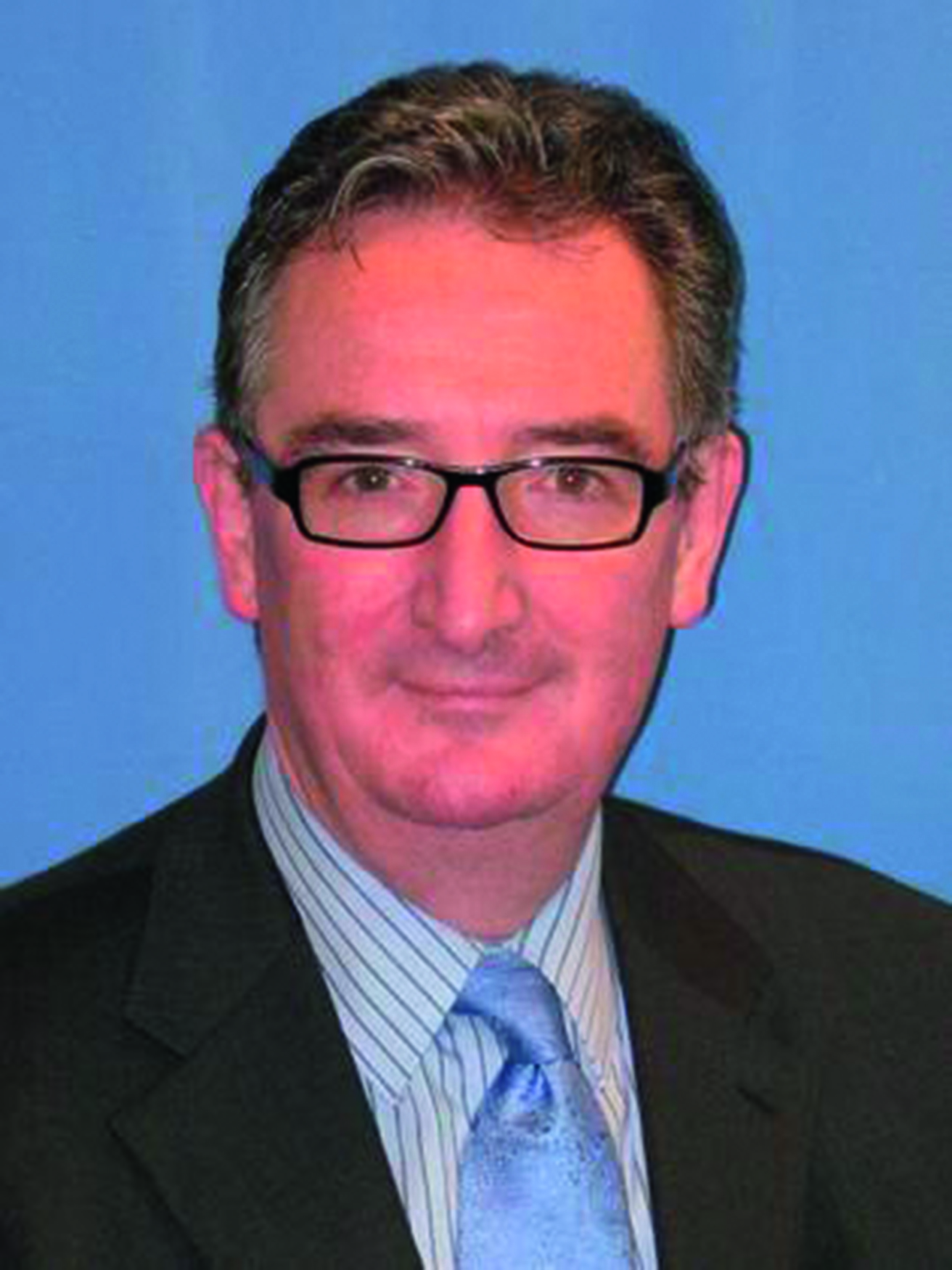
Stephen has been Chief Executive of the Bar Council since June 2013. Before that he spent two years with Cisco, and five years as Chief Executive of BECTA, the UK Government education technology agency.
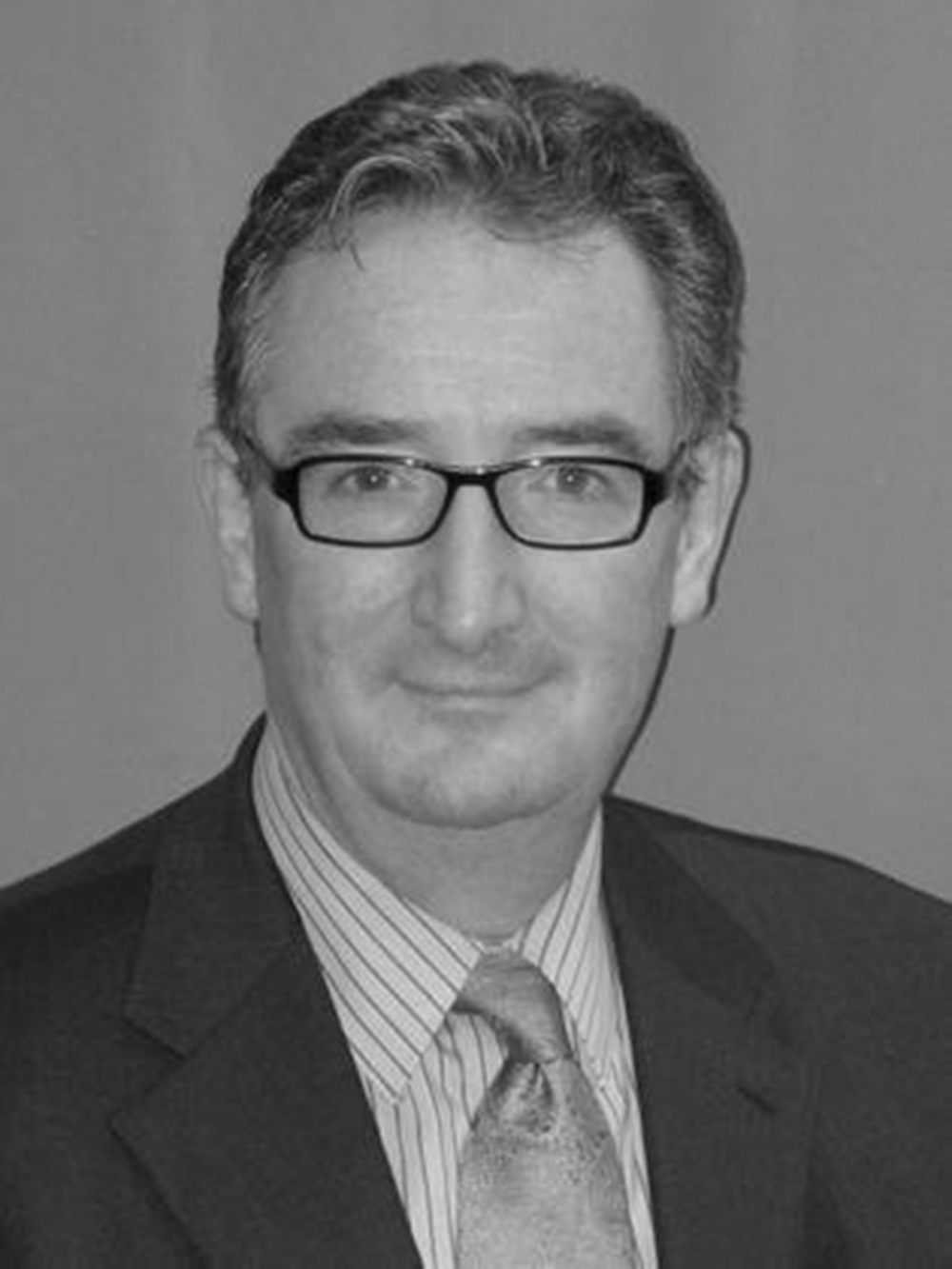
Before joining the Bar Council as Chief Executive in 2013, Stephen held a variety of senior public and private sector posts in education policy, most recently as Chief Executive of BECTA, the UK Government education technology agency and with Cisco, the networking giant.
We know from our countless conversations with barristers that swathes of the profession are increasingly feeling the pressure of covering a plethora of costs – overheads, chambers’ fees, expenses, etc. This task is even harder for those directly affected by reductions in public funding. Earlier this year the Bar Council and the Bar Standards Board (BSB) released a study that showed around two-thirds of self-employed criminal barristers reported that their earnings had fallen between 2011 and 2013.
The Practising Certificate Fee (PCF) – a compulsory annual levy imposed to support regulatory and some representative activities – is one such cost barristers must cover. The Bar Council and the BSB will soon introduce a new way of calculating the PCF according to ability to pay. From 2015, a barrister’s PCF will be calculated based on their earnings, rather than – as it is with the current system – the number of years since they were called to the Bar.
This shift should be a welcome change for the Bar. Recent research revealed that almost two-thirds of barristers surveyed opposed the present Practising Certificate Fee system and nearly as many said they favoured the introduction of a fairer model based on income. It will help to ease the burden shouldered by barristers on lower incomes and make the whole system fairer. It means a young barrister at the commercial Bar who earns, say, a salary of £65,000 will no longer pay less for their PCF than a self-employed criminal barrister of many more years’ standing, returning to work after a career break.
The fee to be paid by barristers will depend upon the income band in which they fall. All barristers in the same band will pay the same fee. There will be six fee rates, related to income bands, ranging from £100 for those whose gross earnings are less than £30,000, to £1,500 for those with gross earnings of £240,001 or more. Earnings during the 2013/14 financial year will be used as the basis for determining the PCF for the 2015/16 year, and so on in successive years. The new scheme – developed following research and consultation during 2012 and 2013 and approved by the Legal Services Board in October 2013 – will also be fairer because the same bands will apply to both the employed and the self-employed Bar. No-one will be disadvantaged because of the way in which they practise.
The new scheme will operate within the existing “Barrister Connect” Authorisation to Practise arrangements and is designed to be as straightforward to use as possible.
All practitioners will need to provide the BSB with the right to undertake an individual audit of declared income through the “Declaration of Truth” that is already part of the Authorisation to Practise process. The Bar Council and the BSB have been working hard to cut costs and ensure that funds raised through the PCF go towards essential regulatory and representative activity. For 2014-15 we kept PCF rates flat in cash terms. For 2015-16 our intention is to raise the same amount of cash, further reducing the amount needed in real terms.
There was a time when year of Call was a reasonable proxy for income. That time has now passed; such a proxy is no longer reliable. There is ample evidence of relatively junior members of the Bar paying a significantly smaller PCF than more senior and QC colleagues, despite earning more in fees.
A new way of calculating the Practising Certificate Fee according to ability to pay is to be introduced. Stephen Crowne, Chief Executive of the Bar Council, explains.
Addressing a crowd in Worcester, Massachusetts, in autumn 1936, US President Franklin Roosevelt declared: “Taxes shall be levied according to ability to pay”. At a time when the legal services market is tough and unforgiving, these words will assuredly resonate beyond those members of the Bar familiar with American history.

Chair of the Bar finds common ground on legal services between our two jurisdictions, plus an update on jury trials
A £500 donation from AlphaBiolabs has been made to the leading UK charity tackling international parental child abduction and the movement of children across international borders
Marie Law, Director of Toxicology at AlphaBiolabs, outlines the drug and alcohol testing options available for family law professionals, and how a new, free guide can help identify the most appropriate testing method for each specific case
By Louise Crush of Westgate Wealth Management
Marie Law, Director of Toxicology at AlphaBiolabs, examines the latest ONS data on drug misuse and its implications for toxicology testing in family law cases
An interview with Rob Wagg, CEO of New Park Court Chambers
With at least 31 reports of AI hallucinations in UK legal cases – over 800 worldwide – and judges using AI to assist in judicial decision-making, the risks and benefits are impossible to ignore. Matthew Lee examines how different jurisdictions are responding
What has changed, and why? Paul Secher unpacks the new standards aligning the recruiting, training and appraising of judges – the first major change to the system for ten years
The deprivation of liberty is the most significant power the state can exercise. Drawing on frontline experience, Chris Henley KC explains why replacing trial by jury with judge-only trials risks undermining justice
Ever wondered what a pupillage is like at the CPS? This Q and A provides an insight into the training, experience and next steps
The appointments of 96 new King’s Counsel (also known as silk) are announced today