*/
I cannot remember a time when I did not read. The actual sensation, whatever the content, is very important to me. To my mother’s disappointment, as soon as I learnt to read I did not want to be read aloud to – and to this day I cannot stand audio books.
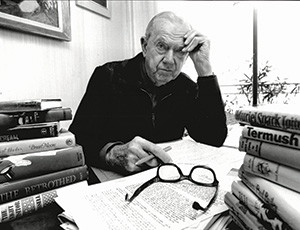
I discovered The Lives of the Young Composers in my school library when I was about six and read them over and over and over. I cannot think why (see my answer on music below!). I still know the first two pages of The Young Beethoven off by heart. I graduated to all the children’s classics, and then on to teenage angst like I Capture the Castle when I was about 14. I wallowed in misery through Grahame Greene when I was at university.
I now read all the time – anything available, from the back of the cereal packet to Dostoyevsky. I am panic stricken if I am ever somewhere where there is nothing to read. For poetry, it is Gerard Manley Hopkins and George Herbert, both of whom reduce me to tears. I reread a great deal and I am always surprised when people think this is strange; I cannot see the difference between rereading a book (odd) and relistening to music (normal).
I was brought up in a very bookish, aesthetically aware but silent house and my regret now is that I have ill-informed and random musical tastes. Despite my best efforts, I have only ever really been reached emotionally by Gregorian chants and Edith Piaf. I am not proud of it. But I do like lyrics which, once heard, I retain such that I can still recall them years later.
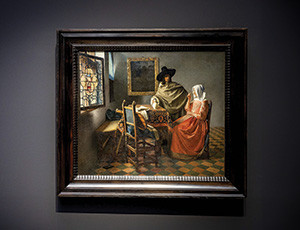
Films: The Third Man; Schindler’s List’. Paintings: anything by Fernand Leger; Raeburn’s ‘The Skating Minister’; Chardin’s still lives; Vermeer’s interiors (especially the tiled floors); Gwen John; Winifred Nicholson. These all just came to mind; there are so many others which, once seen, linger for ever in the hinterland and subliminally change the way I see things.
The grey landscapes of Norfolk where I grew up remain in my blood. My father always said Norfolk started at Liverpool Street Station and that is true for me; I get a lump in my throat as I approach it. Bryher in the Scilly Islands where my husband and I return most years, and which truly feels as isolated as it is ever possible to be in the internet age. Of course the Temple, where I have spent my working life, with its strong feeling of history. When I turn off Fleet Street at night and the gate at the top of Middle Temple Lane closes behind me, I feel I am home in every sense of the word.
My essential for a mid-trial stayover is a small beanbag rabbit, bought for me by my husband 30 years ago and who has slept with me ever since. (The rabbit, though my husband has too.)

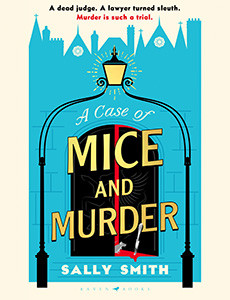
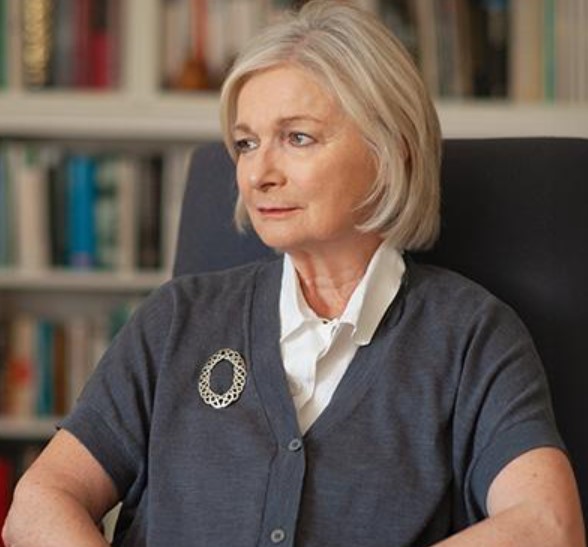
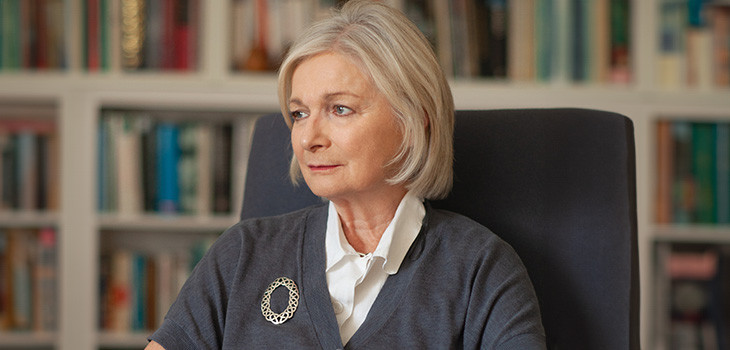
Sally Smith KC spent her working life as a barrister in the Inner Temple specialising in medical law and clinical negligence. A Case of Mice and Murder (Raven Books: 2024) is the first in a series starring reluctant sleuth Gabriel Ward KC.
I cannot remember a time when I did not read. The actual sensation, whatever the content, is very important to me. To my mother’s disappointment, as soon as I learnt to read I did not want to be read aloud to – and to this day I cannot stand audio books.
I discovered The Lives of the Young Composers in my school library when I was about six and read them over and over and over. I cannot think why (see my answer on music below!). I still know the first two pages of The Young Beethoven off by heart. I graduated to all the children’s classics, and then on to teenage angst like I Capture the Castle when I was about 14. I wallowed in misery through Grahame Greene when I was at university.
I now read all the time – anything available, from the back of the cereal packet to Dostoyevsky. I am panic stricken if I am ever somewhere where there is nothing to read. For poetry, it is Gerard Manley Hopkins and George Herbert, both of whom reduce me to tears. I reread a great deal and I am always surprised when people think this is strange; I cannot see the difference between rereading a book (odd) and relistening to music (normal).
I was brought up in a very bookish, aesthetically aware but silent house and my regret now is that I have ill-informed and random musical tastes. Despite my best efforts, I have only ever really been reached emotionally by Gregorian chants and Edith Piaf. I am not proud of it. But I do like lyrics which, once heard, I retain such that I can still recall them years later.
Films: The Third Man; Schindler’s List’. Paintings: anything by Fernand Leger; Raeburn’s ‘The Skating Minister’; Chardin’s still lives; Vermeer’s interiors (especially the tiled floors); Gwen John; Winifred Nicholson. These all just came to mind; there are so many others which, once seen, linger for ever in the hinterland and subliminally change the way I see things.
The grey landscapes of Norfolk where I grew up remain in my blood. My father always said Norfolk started at Liverpool Street Station and that is true for me; I get a lump in my throat as I approach it. Bryher in the Scilly Islands where my husband and I return most years, and which truly feels as isolated as it is ever possible to be in the internet age. Of course the Temple, where I have spent my working life, with its strong feeling of history. When I turn off Fleet Street at night and the gate at the top of Middle Temple Lane closes behind me, I feel I am home in every sense of the word.
My essential for a mid-trial stayover is a small beanbag rabbit, bought for me by my husband 30 years ago and who has slept with me ever since. (The rabbit, though my husband has too.)


Chair of the Bar finds common ground on legal services between our two jurisdictions, plus an update on jury trials
A £500 donation from AlphaBiolabs has been made to the leading UK charity tackling international parental child abduction and the movement of children across international borders
Marie Law, Director of Toxicology at AlphaBiolabs, outlines the drug and alcohol testing options available for family law professionals, and how a new, free guide can help identify the most appropriate testing method for each specific case
By Louise Crush of Westgate Wealth Management
Marie Law, Director of Toxicology at AlphaBiolabs, examines the latest ONS data on drug misuse and its implications for toxicology testing in family law cases
An interview with Rob Wagg, CEO of New Park Court Chambers
With at least 31 reports of AI hallucinations in UK legal cases – over 800 worldwide – and judges using AI to assist in judicial decision-making, the risks and benefits are impossible to ignore. Matthew Lee examines how different jurisdictions are responding
What has changed, and why? Paul Secher unpacks the new standards aligning the recruiting, training and appraising of judges – the first major change to the system for ten years
The deprivation of liberty is the most significant power the state can exercise. Drawing on frontline experience, Chris Henley KC explains why replacing trial by jury with judge-only trials risks undermining justice
Ever wondered what a pupillage is like at the CPS? This Q and A provides an insight into the training, experience and next steps
The appointments of 96 new King’s Counsel (also known as silk) are announced today