*/
Understanding outsourcing, secondments and other non-traditional ways of working
With a title like this, it was not surprising that there was a good turnout for the morning session run by the Ethics Committee, with practitioners at every stage of their careers represented.
Speakers included: Andrew Walker QC, current committee Chairman; practitioners Andrew Granville Stafford and Fenner Moeiran QC; BSB staff member: Ewan Macleod; and from Clerksroom: Stephen Ward. Together, they presented different perspectives on official guidance and the situations one might find themselves in. Good practice, dual practice and everything in between was covered.
It was heartening to be told that some of the changes introduced by the 2014 edition of the Bar Standards Board (BSB) Handbook are still having some of their ramifications worked out. The definition of who is an ‘employed barrister’ in the handbook and the extent to which this covered both contracts ‘for services’ – as well as contract ‘of employment’ – was well debated, with the panel being asked to consider at least half a dozen scenarios. For younger barristers who are thinking about secondments, this was particularly pertinent.
Conflicts were covered, both in being considered, and recorded, as well as how Chinese walls operate in practice and variations thereof, with helpful suggestions as to how specific they might be, whether they were physical, or virtual, and evidenced, so as to minimise problems for the barristers, while not harming the client. Practicalities over insurance when practicing in multiple capacity at the same time was also covered, as were specific changes in how different people chose to address issues, with a useful checklist as to what is best avoided. A lively session that not even the lure of lunch could end, it definitely prompted people to share ideas and experiences, with the BSB presence allowing for the official line to be helpfully presented.
Contributor Melissa Coutinho
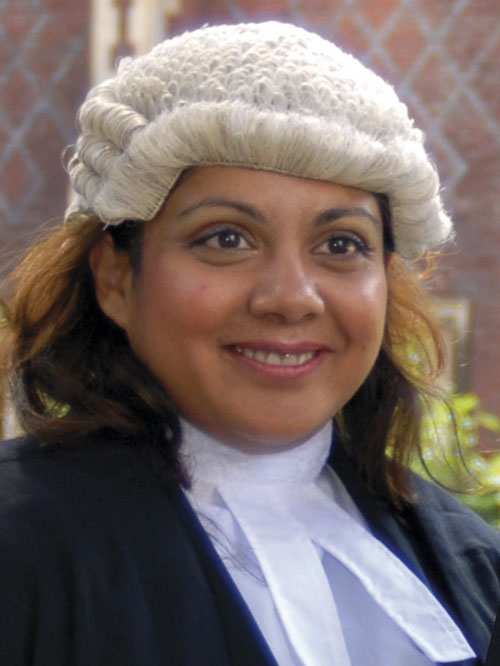
Melissa Coutinho is a lawyer for the Government Legal Service An accredited arbitrator, qualified PPM practitioner and a magistrate, she also writes and lectures on medical products and their regulation.
Speakers included: Andrew Walker QC, current committee Chairman; practitioners Andrew Granville Stafford and Fenner Moeiran QC; BSB staff member: Ewan Macleod; and from Clerksroom: Stephen Ward. Together, they presented different perspectives on official guidance and the situations one might find themselves in. Good practice, dual practice and everything in between was covered.
It was heartening to be told that some of the changes introduced by the 2014 edition of the Bar Standards Board (BSB) Handbook are still having some of their ramifications worked out. The definition of who is an ‘employed barrister’ in the handbook and the extent to which this covered both contracts ‘for services’ – as well as contract ‘of employment’ – was well debated, with the panel being asked to consider at least half a dozen scenarios. For younger barristers who are thinking about secondments, this was particularly pertinent.
Conflicts were covered, both in being considered, and recorded, as well as how Chinese walls operate in practice and variations thereof, with helpful suggestions as to how specific they might be, whether they were physical, or virtual, and evidenced, so as to minimise problems for the barristers, while not harming the client. Practicalities over insurance when practicing in multiple capacity at the same time was also covered, as were specific changes in how different people chose to address issues, with a useful checklist as to what is best avoided. A lively session that not even the lure of lunch could end, it definitely prompted people to share ideas and experiences, with the BSB presence allowing for the official line to be helpfully presented.
Contributor Melissa Coutinho
Understanding outsourcing, secondments and other non-traditional ways of working
With a title like this, it was not surprising that there was a good turnout for the morning session run by the Ethics Committee, with practitioners at every stage of their careers represented.

Chair of the Bar finds common ground on legal services between our two jurisdictions, plus an update on jury trials
A £500 donation from AlphaBiolabs has been made to the leading UK charity tackling international parental child abduction and the movement of children across international borders
Marie Law, Director of Toxicology at AlphaBiolabs, outlines the drug and alcohol testing options available for family law professionals, and how a new, free guide can help identify the most appropriate testing method for each specific case
By Louise Crush of Westgate Wealth Management
Marie Law, Director of Toxicology at AlphaBiolabs, examines the latest ONS data on drug misuse and its implications for toxicology testing in family law cases
An interview with Rob Wagg, CEO of New Park Court Chambers
With at least 31 reports of AI hallucinations in UK legal cases – over 800 worldwide – and judges using AI to assist in judicial decision-making, the risks and benefits are impossible to ignore. Matthew Lee examines how different jurisdictions are responding
What has changed, and why? Paul Secher unpacks the new standards aligning the recruiting, training and appraising of judges – the first major change to the system for ten years
The deprivation of liberty is the most significant power the state can exercise. Drawing on frontline experience, Chris Henley KC explains why replacing trial by jury with judge-only trials risks undermining justice
Ever wondered what a pupillage is like at the CPS? This Q and A provides an insight into the training, experience and next steps
The appointments of 96 new King’s Counsel (also known as silk) are announced today